

By Vibhi Maniar (11/20/26) — London, UK
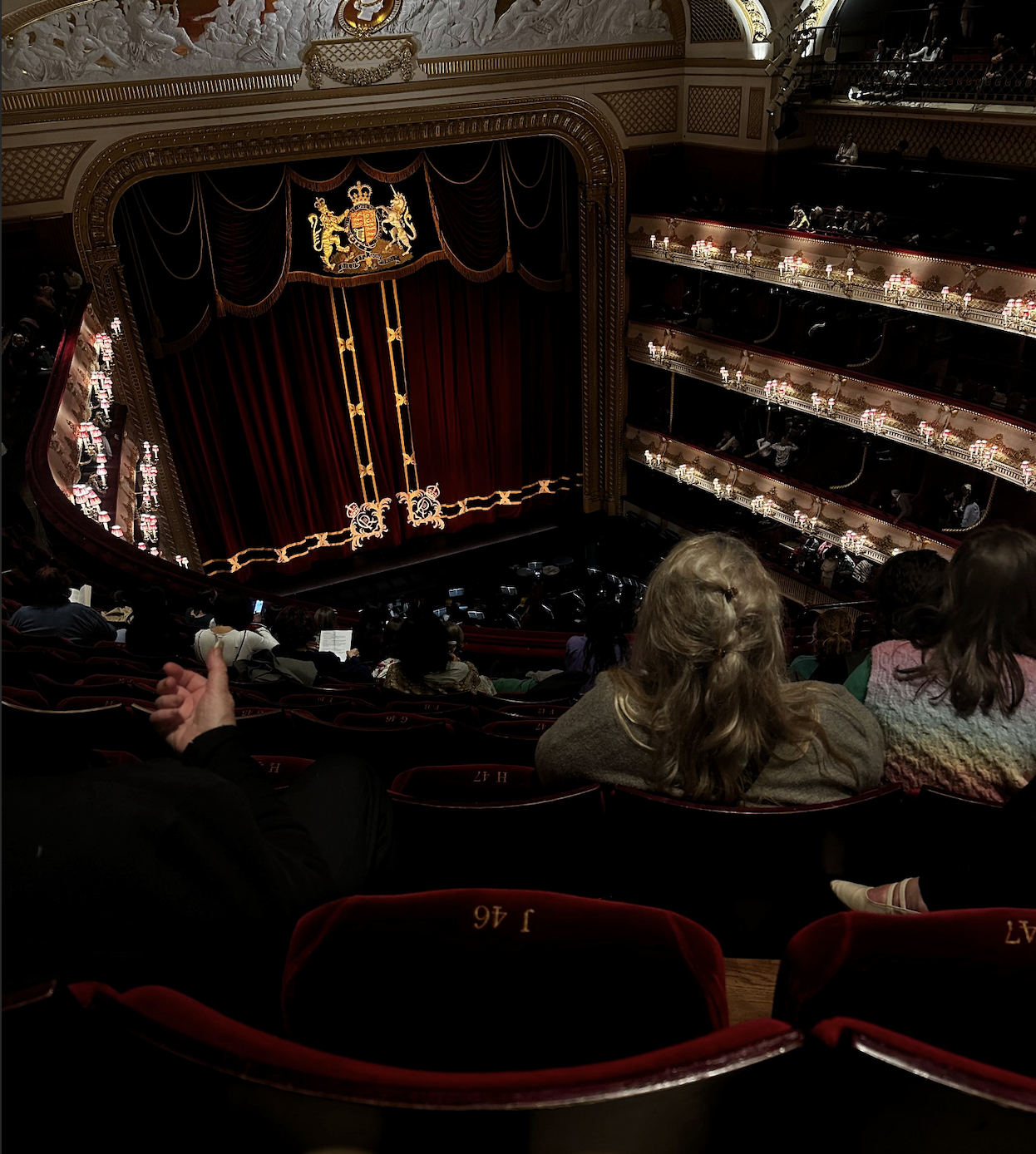
Recently, I had the opportunity to see The Royal Ballet’s Manon at the Royal Opera House. In a performance like this, your eyes hardly know where to settle. Between the dancers’ intricate movements, the detail in their costumes, and the scenery brought to life by the lighting, there is always something more to notice.
It was the kind of evening I had hoped for while studying in London. But as the performance ended, I found myself wondering: the audience goes home and the dancers leave, but what happens to the world they have just created?
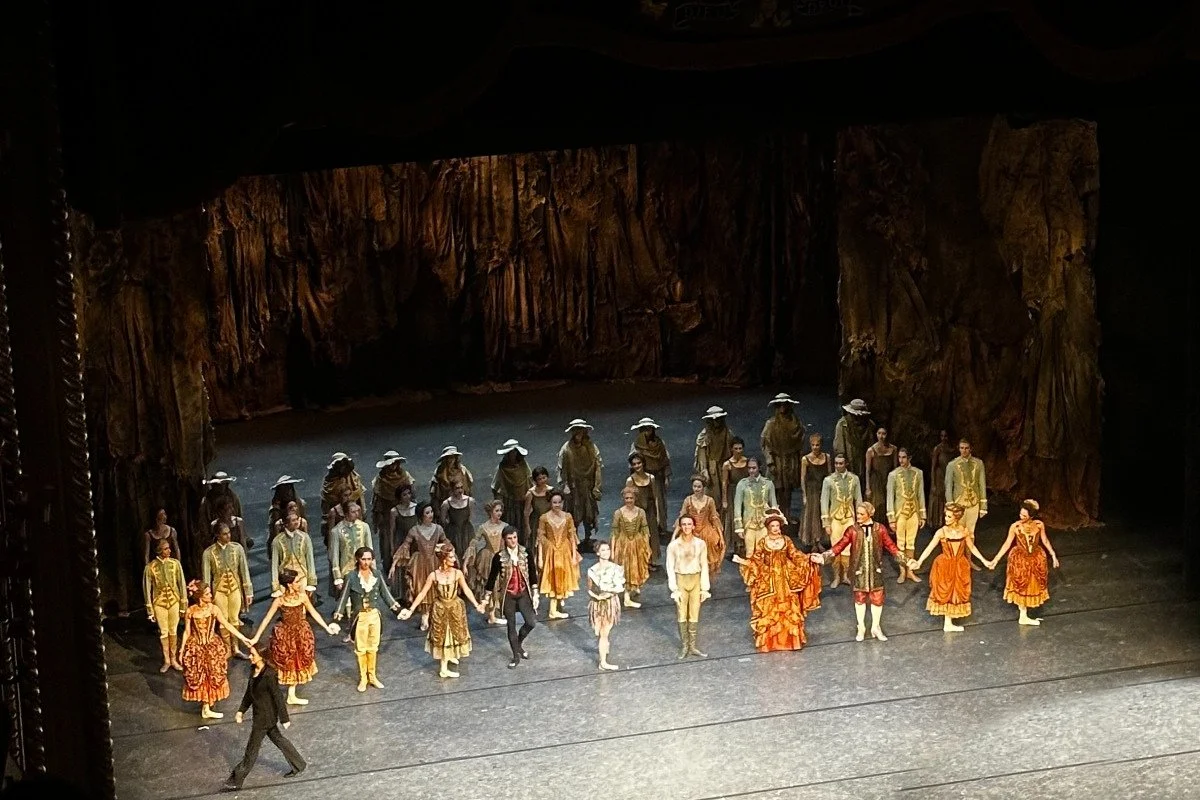
Before leaving, I stopped to chat with a front-of-house usher about what he most enjoyed watching. For him, the dancers were always the highlight. I could relate: throughout Manon, I had been captivated by how they moved across the stage, with their costumes becoming part of every turn and gesture. Our conversation turned to those elaborate pieces, and I asked whether he knew what happened to them once a production finished. Were they stored for the next revival, altered for another dancer, or made again?
He explained that even principal dancers don’t necessarily have costumes reserved exclusively for them. Pieces can be kept and adapted for other performers, sometimes remaining in use for decades. We talked about the hundreds of bows decorating Manon’s Act II overcoat, and the work involved in steaming, rolling, and fixing them by hand. From my seat, I had admired the overall effect without considering how much care went into each bow.
Our conversation left me wondering how costume care fitted into the theatre’s wider approach to sustainability. Looking through the Royal Ballet and Opera’s Sustainability Stories and its 2025/26 sustainability report, I began to find some answers.
Across main-stage ballet and opera revivals, an average of 90% of costumes and 95% of sets and props are originals, according to the Royal Ballet and Opera’s 2025/26 sustainability report. Keeping those costumes in use takes careful record-keeping. Each production has a costume “bible” containing sketches, fabric swatches, measurements, and notes. These help the team match colours and trims, make repairs, and adjust a costume for another performer while preserving its design and allowing them to move freely.
The materials themselves present another challenge. Dance fabrics need strength and flexibility, but those requirements can make sustainable alternatives difficult to find. The report describes teams working with suppliers to explore options that meet the demands of performance.
Sometimes, extending a costume’s life means giving it a different role. For a revival of Serenade, 40 skirts were remade, while the previous skirts were kept for rehearsals across ballet productions. Existing leotards were also reused and re-dyed, allowing parts of the wardrobe to remain useful even as the design changed.
The costumes and scenery can return year after year, but every performance still needs electricity. The report estimates that replacing the overhead production lighting rig cut its electricity consumption by 40% compared with the previous tungsten rig. Older fittings were sold or donated where possible, and around eight tonnes of steel were recycled. New meters are also tracking electricity use as productions return, allowing the team to compare the old and new systems once the full replacement is complete.
Some changes are closer to the audience. An 18-month project completed in August 2025 replaced the auditorium’s house lights and fluorescent exit signage with LEDs, reducing electricity consumption for that system by 84%. The new lights also produce less heat, easing pressure on ventilation. All of this work took place at night so performances could continue.
These savings apply to individual lighting systems, rather than the theatre’s total energy use. For a theatre bringing productions back year after year, sustainability is part of everyday business decisions: what to purchase, what to repair, and when to invest in more efficient equipment.
I went to Manon for an evening at the ballet and came away with a greater appreciation for the work between performances. Next time I take my seat, I’ll still be caught up in the dancing, but I’ll understand a little more about what it takes to create a world on stage and bring it back for another audience.
References
Lebrecht, Norman. “I’m Going to Covent Garden to See the Sustainability.” Slippedisc, 11 Nov. 2026, slippedisc.com/2026/11/go-to-covent-garden-for-sustainability/.
Newsdesk. “Royal Ballet and Opera Report Highlights How Sustainability Is Reshaping Production.” Theatre-News.com, www.theatre-news.com/news/UK/130202/Royal-Ballet-and-Opera-report-highlights-how-sustainability-is-reshaping-production.
The Next Act: Stories of Environmental Sustainability at the Royal Ballet and Opera. 2025/26 season, Royal Ballet and Opera, 2026, s3.eu-west-1.amazonaws.com/static.roh.org.uk/for/pdfs/Royal-Ballet-and-Opera-Sustainability-Report-2025-26.pdf.
“Sustainability Stories.” Royal Ballet and Opera, www.rbo.org.uk/about/our-commitments/sustainability-stories.
Want to see more?
Take a closer look at costumes from Manon in the Royal Opera House Collections, and discover some of the dancers who wore them.
