

By Vibhi Maniar (10/24/26) — London, UK
By 3 p.m., my day in London brings me back to Senate House Library.
Somewhere between visiting markets, finding a favourite cafe, and deciding which West End show to see, this library has become part of my daily routine: a place I keep returning to despite having so much of London left to explore.
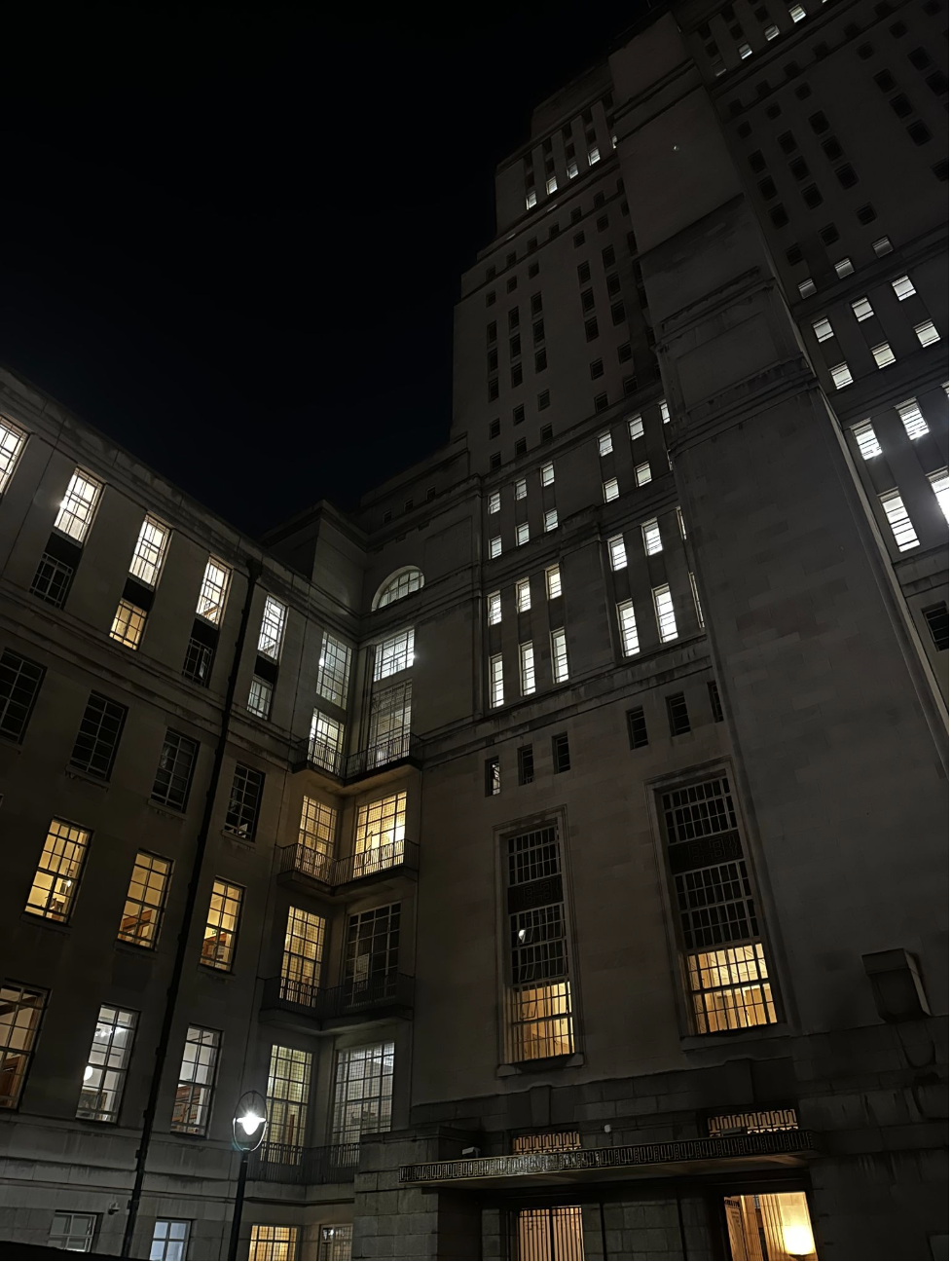
Part of what keeps me coming back is how much space there is to settle in among the books. The Senate House building rises 19 floors, with the library occupying levels 4th to 19th. A comfortable temperature makes it easy to stay for hours.
But familiarity can make a place easy to overlook. Once I find a seat, I rarely think about what it takes to maintain suitable conditions across such a large building, or to care for the books that fill its shelves. Someone has to repair them, store them, and keep them usable.
There is an irony here. Sharing books allows the same materials to serve generations of readers, yet keeping them available requires energy and resources of its own. I wanted to understand how the library could reduce its environmental impact while continuing to care for its collections and welcome its readers. So I got in touch with Salvador Alcántara Peláez, Senate House Library’s Senior Conservator.
Salvador explained that maintaining suitable conditions for readers and collections accounts for the library’s greatest environmental impact. The comfortable temperature I enjoy while studying is only part of that demand. Areas like storage spaces also require attention to temperature and humidity to protect the materials inside. But how tightly do those conditions need to be controlled?
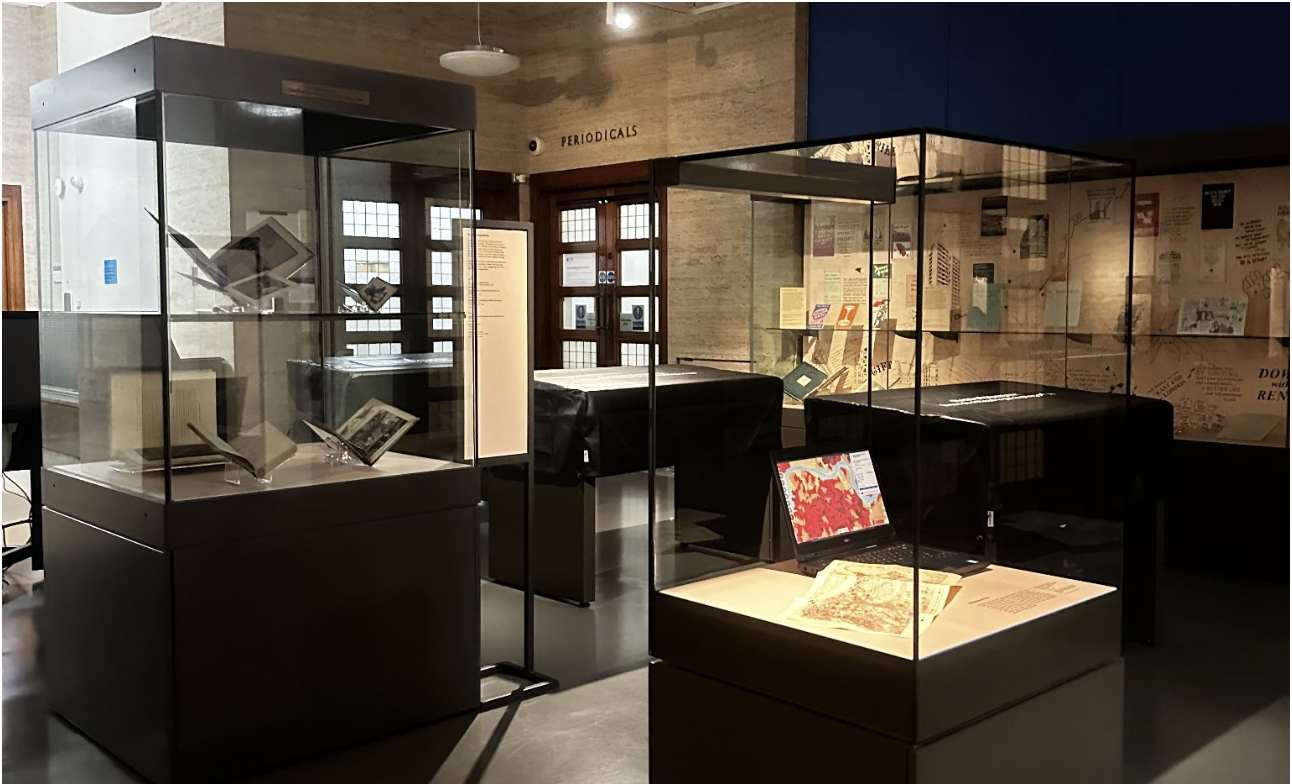
Temperature and humidity in controlled spaces can vary within acceptable limits. Years of monitoring have helped staff plan what Salvador described as “seasonal switch on/off of certain heating or humidity control units.” In practice, this means some equipment can be turned off during parts of the year when conditions remain suitable without it. The library can therefore use less energy without compromising the conditions the collections need.
Other changes address how the building obtains its electricity. Solar panels on the Senate House contribute to its supply, and the University’s venues team reports annual rooftop solar generation of nearly 40,000 kWh. These improvements extend beyond the reading rooms and depend on the wider management of the building.
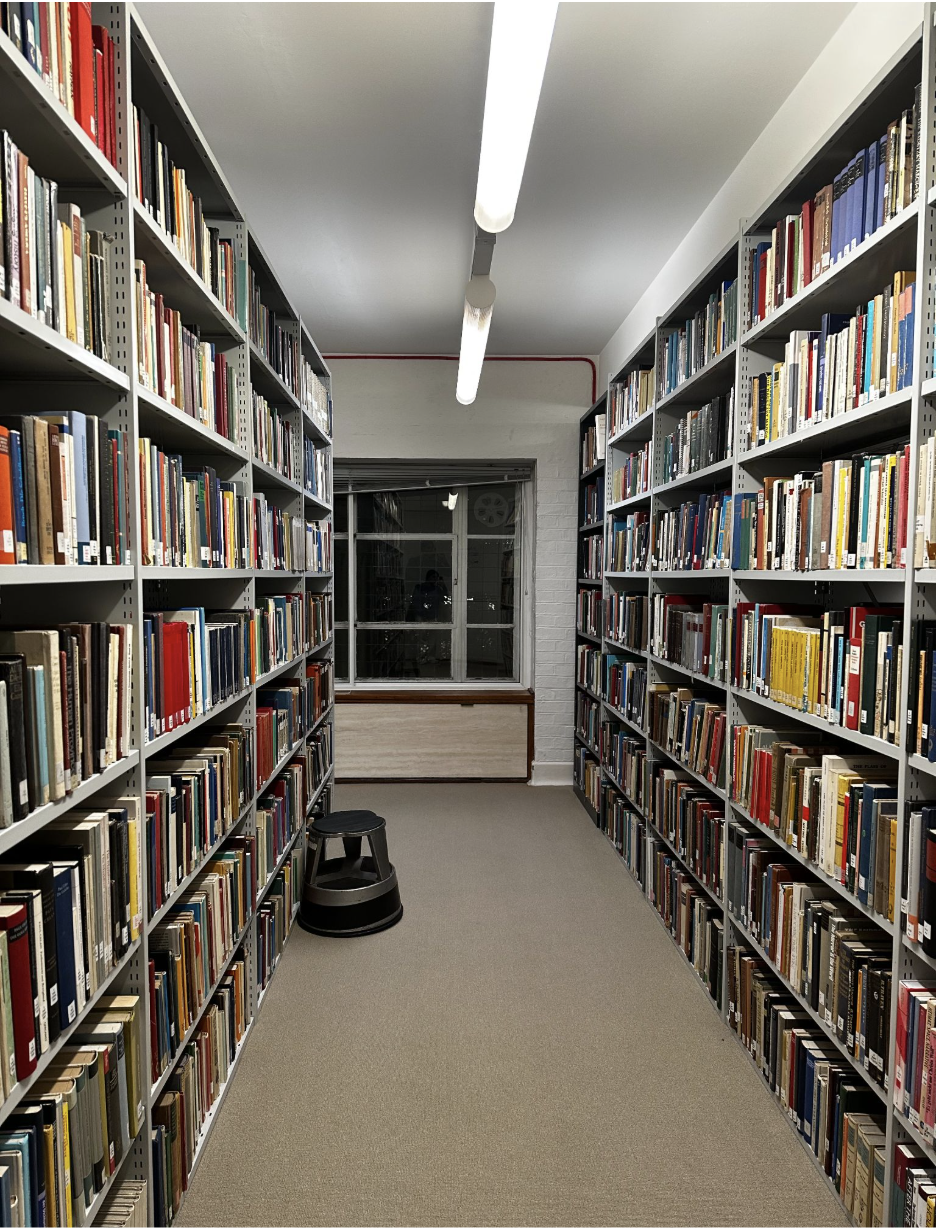
The same concern with resources extends to the books themselves. Alongside reducing the energy needed to care for collections, the library considers how to keep existing materials useful. Damaged books are assessed for repair according to their value, condition, and overall demand. Books permanently withdrawn could be transferred to other institutions or sent to charity booksellers, such as Better World Books, for resale. Leaving the library’s shelves does not necessarily mean the end of a book’s useful life.
Salvador describes the library’s sustainability efforts as “a work in progress.” Making changes in a large historic building takes time and coordination with the wider University of London. A dedicated library working group is researching further improvements. For those of us who come here to study, much of this work remains out of sight, even as we benefit from it.
By 3 p.m. tomorrow, I’ll be back in a place I now understand a little better. There is still plenty of London left on my bucket list, but this familiar stop has given me a reason to look more closely at the places I already use and the resources that make my everyday routines possible.
Which brings me to my final question: Would a library make your London bucket list?
Works Cited
Alcántara Peláez, Salvador. Interview. Conducted by Vibhi Maniar, 9 Oct. 2026.
University of London. Senate House Library Guide. www.london.ac.uk/sites/default/files/shl/shl_library-guide-a3-aug-2021.pdf. Accessed 21 Oct. 2026.
University of London. “Sustainability.” University of London, www.london.ac.uk/about/services/conference-event-hire/sustainability. Accessed 22 Oct. 2026.
Learn more
Thinking of visiting? Explore Senate House Library’s Visitor Information.
Curious about the wider sustainability work? Read about the University of London’s Environmental Initiatives.
Interested in what happens to unwanted books? Learn about Better World Books’ Reuse and Recycling Efforts.
