

From Plate to Planet: How Florence Restaurants Are Redefining Sustainable Dining
By Rohan Venkatraman (05/03/26) — Florence, IT
Biting into my plate of salty, warm, carbonara, I never expected to rethink my relationship with food waste. But that's exactly what happened, and it led me down a rabbit hole of uncovering the secrets and intricacies of Florentine dining and its sustainable practices. I sat down at a small table along the Arno and started asking Florence's chefs a simple question: Can a restaurant be profitable and practice sustainability at the same time?
Living here in Florence, something you find out very quickly is the food here is almost sacred. Life here in Italy revolves around meals, from bistecca, to lampredotto, or even ribollita. Yet what we don't see, or taste, is a modern revolution of sorts. Florentine restaurants reject the throwaway culture we see in America and within modern dining, proving that sustainability isn't just a marketing buzzword.
The Scale and Scope of this Problem?
Before I even decided to step onto a kitchen floor and explore, I needed to understand what was at stake. According to the United Nations Environment Programme's 2024 Food Waste Index Report, roughly 1.05 billion tonnes of food were wasted globally in 2022, with restaurants and food services accounting for a significant share (UNEP, 2024). When we talk about Italy specifically, the country has a loss of almost €13 billion per year to food waste across the supply chain, according to the Osservatorio Waste Watcher (2023). This highlights that even a city as renowned as Florence with hundreds of thousands of tourists isn't immune.
La Bottega del Buon Caffè: Fine Dining with a Conscience
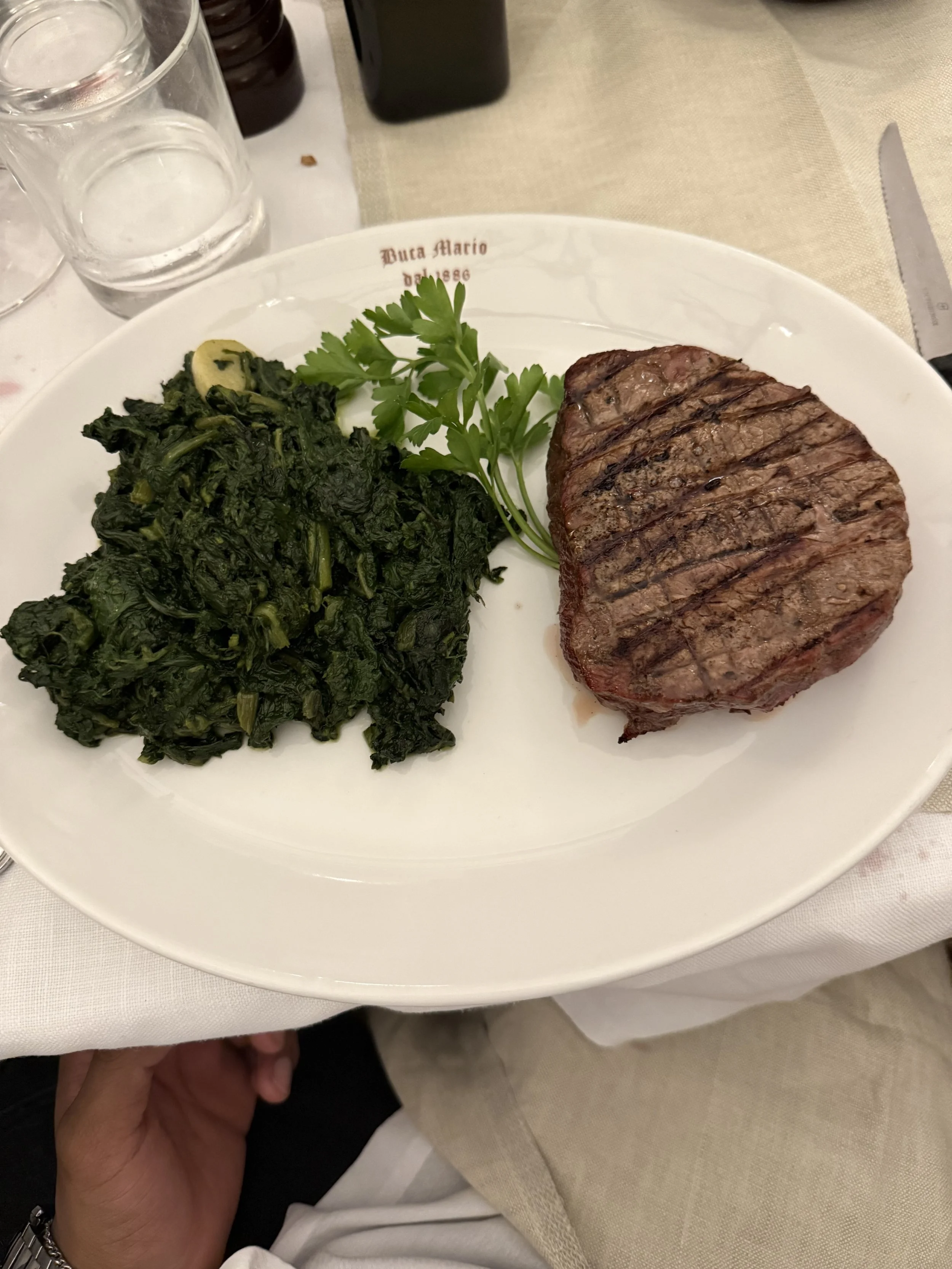
My first stop was quite a treat, La Bottega del Buon Caffè, a Michelin-starred restaurant tucked along Lungarno Benvenuto Cellini. There I saw a breathtaking view of the southern part of the city, but what really sets this place apart isn't the meticulously prepped Tuscan menu, it's the fact that most of its produce comes from a tight-knit bracket of Tuscan farms, and they grow 90% of their vegetables on site at their gardens out in the back.
I had the delightful opportunity to go into the back and speak with a kitchen member, asking how this model works in practice.
"Quando coltivi le tue erbe aromatiche e le tue verdure, o quando conosci per nome l'allevatore che ha allevato il tuo pollo, non sprechi nulla", mi hanno detto. "Ogni stelo, ogni foglia ha uno scopo. Cambia il tuo modo di pensare alla cucina."
In other words…
"When you grow your own herbs and vegetables, or when you know the farmer who raised your chicken by name, you don't waste anything," they told me. "Every stem, every leaf has a purpose. It changes the way you think about cooking."
I then watched them prep a dish, softly, with the utmost attention to detail, placing tiny carrot tops (that most kitchens throw away), but instead they incorporate it into a visually vibrant pesto pasta.
Essenziale: Creativity as a Zero-Waste Strategy
Now it's time to take a short walk across the Arno to Essenziale, near Piazza di Cestello in the San Frediano neighborhood. This restaurant truly is the epitome of being creative and unique. Its identity is shaped around Tuscan food with waste reduction baked into the cooking process itself. Don't be mistaken, its model is very different from the traditional garden-to-table model. Bread scraps become croutons, vegetable trimmings become sauces and broths. Even the portion control is intentional; the menu is designed around what's available and what might otherwise go unused.
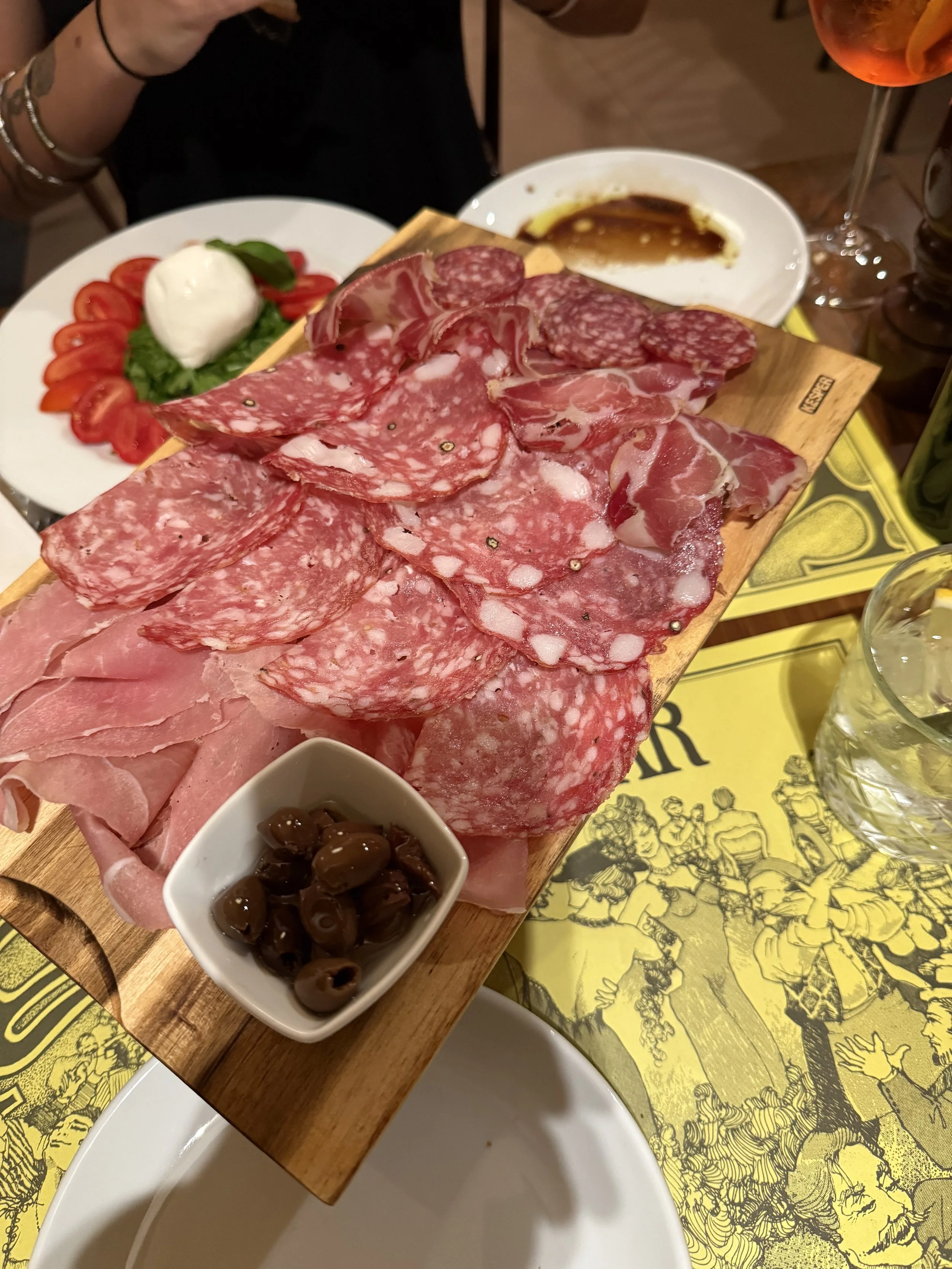
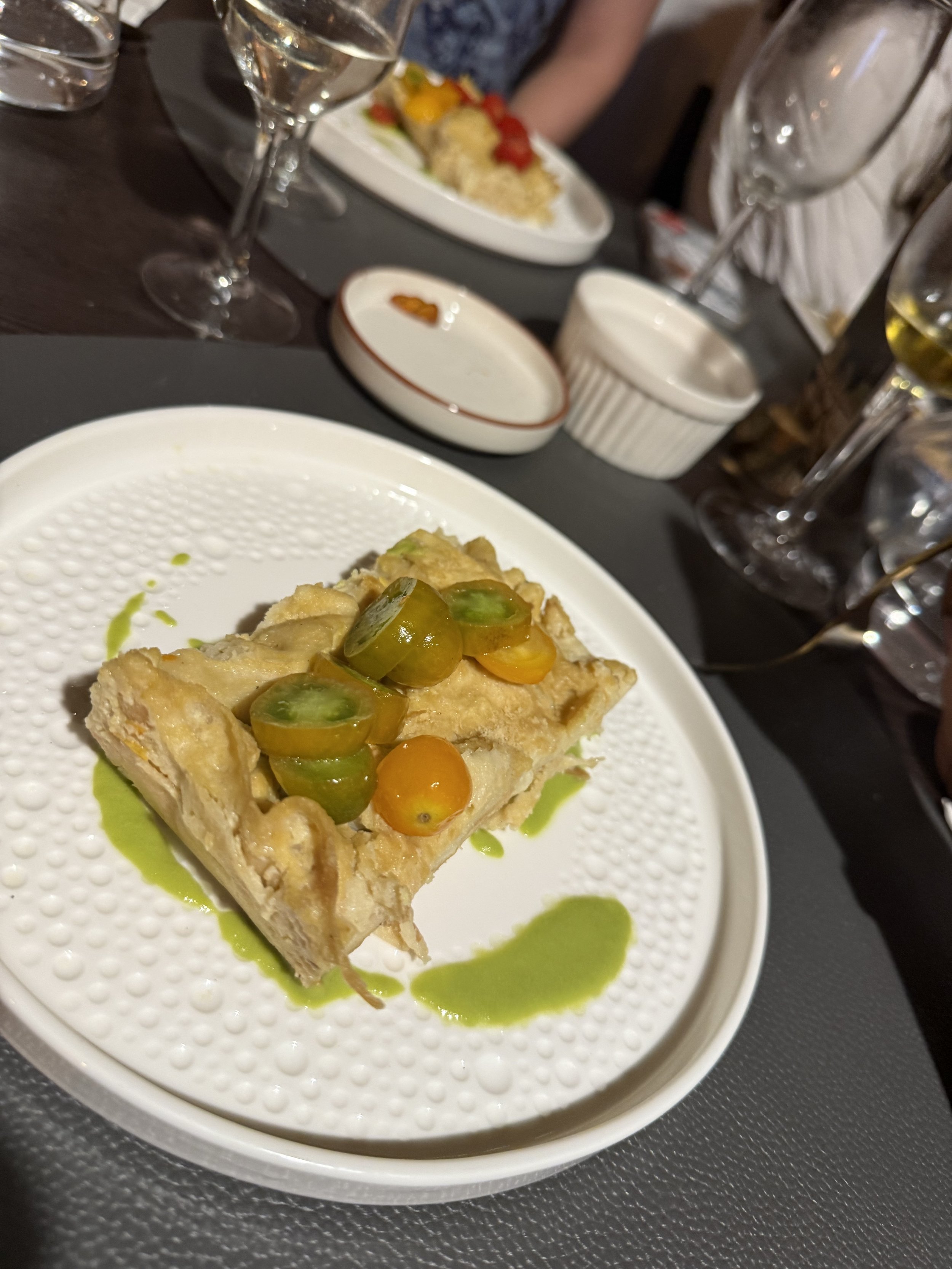
My server Luisa said, "Sustainability for us isn't a separate department, it's how we build the menu." She later mentioned, "We start with the ingredient, not the recipe." And that, I think, is the point. The best sustainability is the kind that doesn't ask you to sacrifice anything.
Both restaurants mentioned how going sustainable isn't the way to maximize your profits, as local sourcing can cost much more at times for specific ingredients than just mass ordering from big companies. Yet, what they both also said was in the long term, they actually do save money. This surprised me, and I almost didn't believe it at first. Yet after looking into it more, when you source locally, you cut transportation costs and build relationships that lead to better pricing over time. Even in a big city like Florence, where tourism drives enormous demand and there's constant pressure to increase margins, restaurants like these will be constant reminders that you can be successful while still loving our planet. Living in Florence has shown me firsthand that sustainability isn't just an abstract ideal but a way of life, and these restaurants reinforced for me that loving our planet and running a successful business can truly go hand in hand.
References
1. United Nations Environment Programme. (2024). Food Waste Index Report 2024. UNEP. https://www.unep.org/resources/publication/food-waste-index-report-2024
2. Osservatorio Waste Watcher International. (2023). Il caso Italia: Lo spreco alimentare ai tempi della crisi. https://www.sprecozero.it
