

Behind the Blooms: Navigating Florence Flower Markets
By Rohan Venkatraman (04/05/26) — Florence, IT
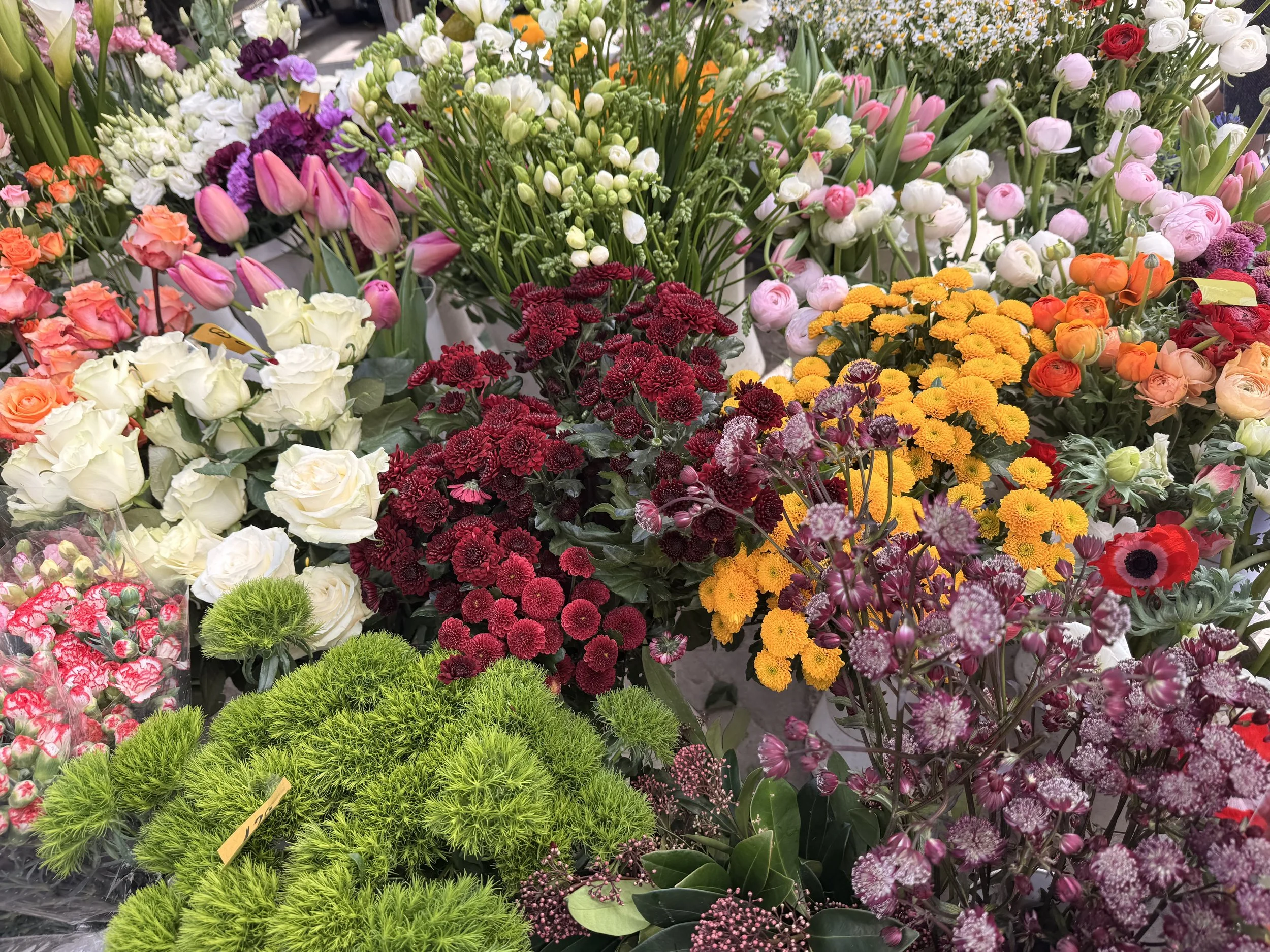
When I wandered into the Mercato di Sant'Ambrogio on a Wednesday morning, I hadn’t been looking for a story; I was looking for Irises and red poppies. Instead, I stumbled upon Signora Lucia, a tough soul, sharp-eyed and no-nonsense. The typical Italian grandma had been selling flowers from her stand for over fifteen years. While our first interaction was short and blunt, my weekly visits slowly opened her up. Her sharp eyes turned softer, one conversation turned into many, and before long, she was telling me everything about how the flower trade actually works in this city.
What I found most intriguing is that Lucia doesn't just sell her flowers—she sources them herself. She rotates her collection and prices them accordingly. When I asked why her flowers change so rapidly, and why they differ so much from the vendors by the Duomo, a Gothic cathedral in the city center, she chuckled and said, "Tourists want roses and lavender bundles. My neighbours here want flowers for their kitchen table." She reads each potential customer like a book, adjusting her rotation based on the people most likely to approach her stand during each day or time.
This is what gives her the ultimate edge over her competition. She outcompetes rivals by keeping her regulars happy while also catering to the constant influx of tourists. This is a necessity for her small business, as she constantly battles with cheaper supermarket bouquets and imported bundles from floral shops.
As we talked more, I realized she runs her business with the same honesty and care as she speaks: I asked her where the flowers come from, and whether everything was from Florence. Her answer was, “Some, not all". She explained that many seasonal flowers, like peonies in spring, dahlias in late summer, mainly come from Tuscan growers in Pescia, historically known as Italy's flower capital (Ferretti & Varese, 2021). During winter months, hardier plants are sold, which means she relies on imports from the Netherlands through the Dutch auction system, which supplies the majority of Europe's cut flowers (Royal FloraHolland, 2023). She's constantly changing and adapting her business model to the ever-changing market and world around her.
Of course, buying local is her main priority, as she said, this was the way her mother and her grandmother raised her. However, as domestic prices increase, it causes her to shift to imports and buy cheaper wholesale from other regions. Climate change has also affected her products, as certain flowers "don't shine the same in the sun” or have become much harder to find and source naturally.
One of the reasons I love Sant'Ambrogio itself is that despite all these challenges, it has a reputation for supporting regional producers, and the market's structure encourages vendors to prioritise local sourcing when possible (Ferretti & Varese, 2021).
Sustainability is a value that has, against all odds, remained true in Florentine markets. Lucia avoids plastic wrapping entirely; instead, she opts for dissolvable paper wrapping. When wet, the paper begins to break down into plant food, so it's not only sustainable but practical for the plants. Research on Italian open-air markets suggests that these small, vendor-led sustainability choices collectively reduce waste more effectively than top-down regulation in many cases (Ferretti & Varese, 2021). These vendors prove that meaningful environmental change often begins not with policy implementation, but with business practices.
Your Guide to Navigating Florence's Flower Scene
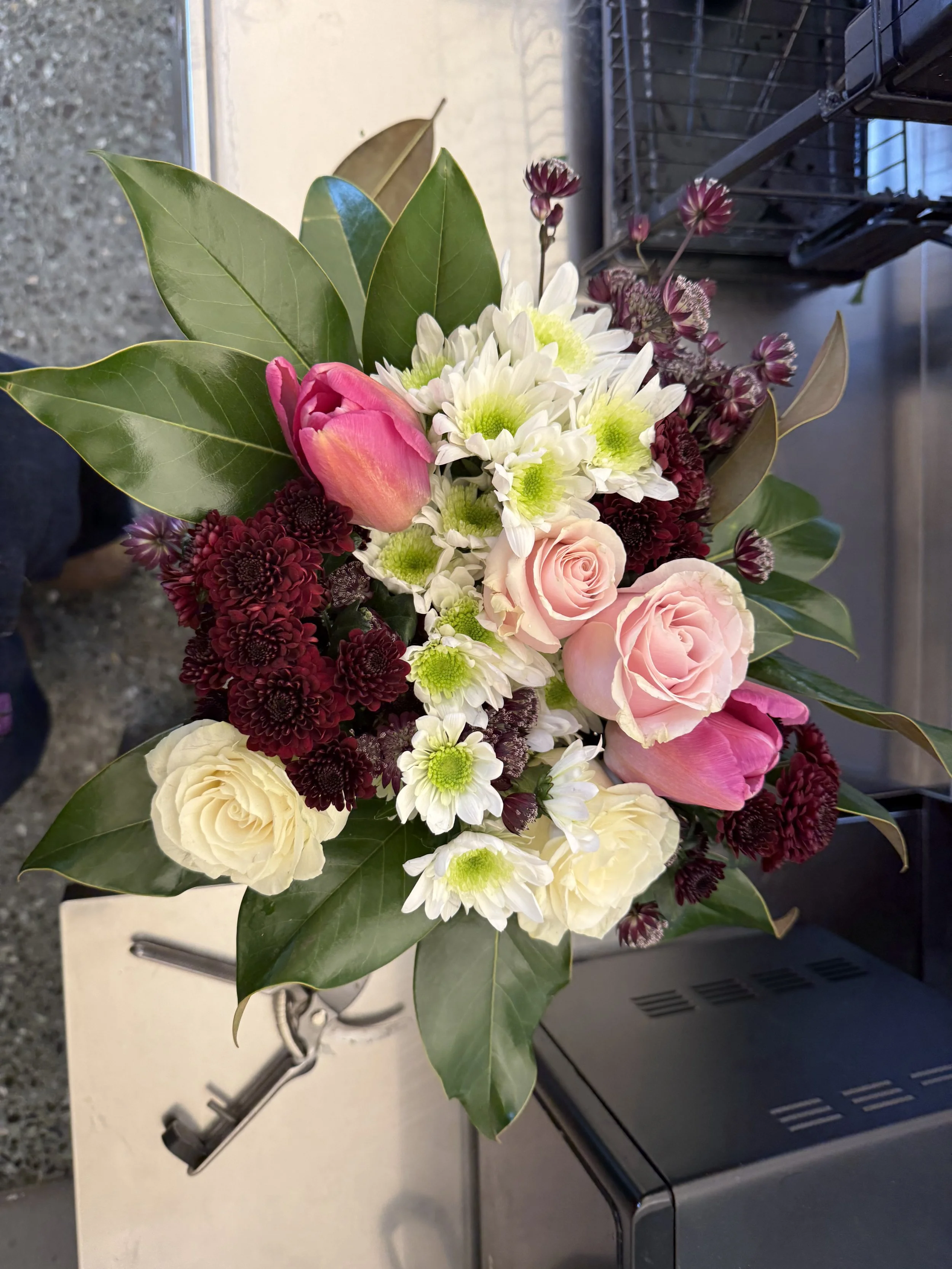
Here's how I would suggest navigating the Florentine flower vendors:
- Start at Sant'Ambrogio early on a weekday morning - it's best to get there early when it’s just the locals and crowds are minimal. Talk to the vendors and form connections, because they have the best recommendations that will help you long term.
- If you're in the city, check out the Mercato Centrale area. They occasionally host flower sellers, but expect tourist-friendly pricing.
- If you're looking for a quieter, more peaceful place to find your flower arrangements, hop across the Arno and head over to the Oltrarno neighbourhood, where smaller shops sell locally grown arrangements with zero “tourist tax”.
Pro tip: Always ask if the flowers are di stagione (in season); this is the best way to find the highest quality and longest-lasting flowers in the most sustainable way.
Why This Matters
Lucia's flowers aren't simply her business; they are her life. She feeds her family through the floral fields, making dozens of small strategic decisions every week to keep her business alive in one of the most competitive cities in Italy.
I'll be back at her stand next Wednesday, ready to learn more and try the coffee she promised to let me taste, and truly embrace Tuscan flower culture!
References:
Ferretti, F., & Varese, E. (2021). Italian open-air markets: Food quality, sustainability, and urban commerce. Franco Angeli.
Royal FloraHolland. (2023). Annual Report 2023. Royal FloraHolland.
