
The Vietnamese Heart of Prague
By Betania Solomon (04/26/26) — Prague, CZ
Mapping the Vietnamese Presence in Prague
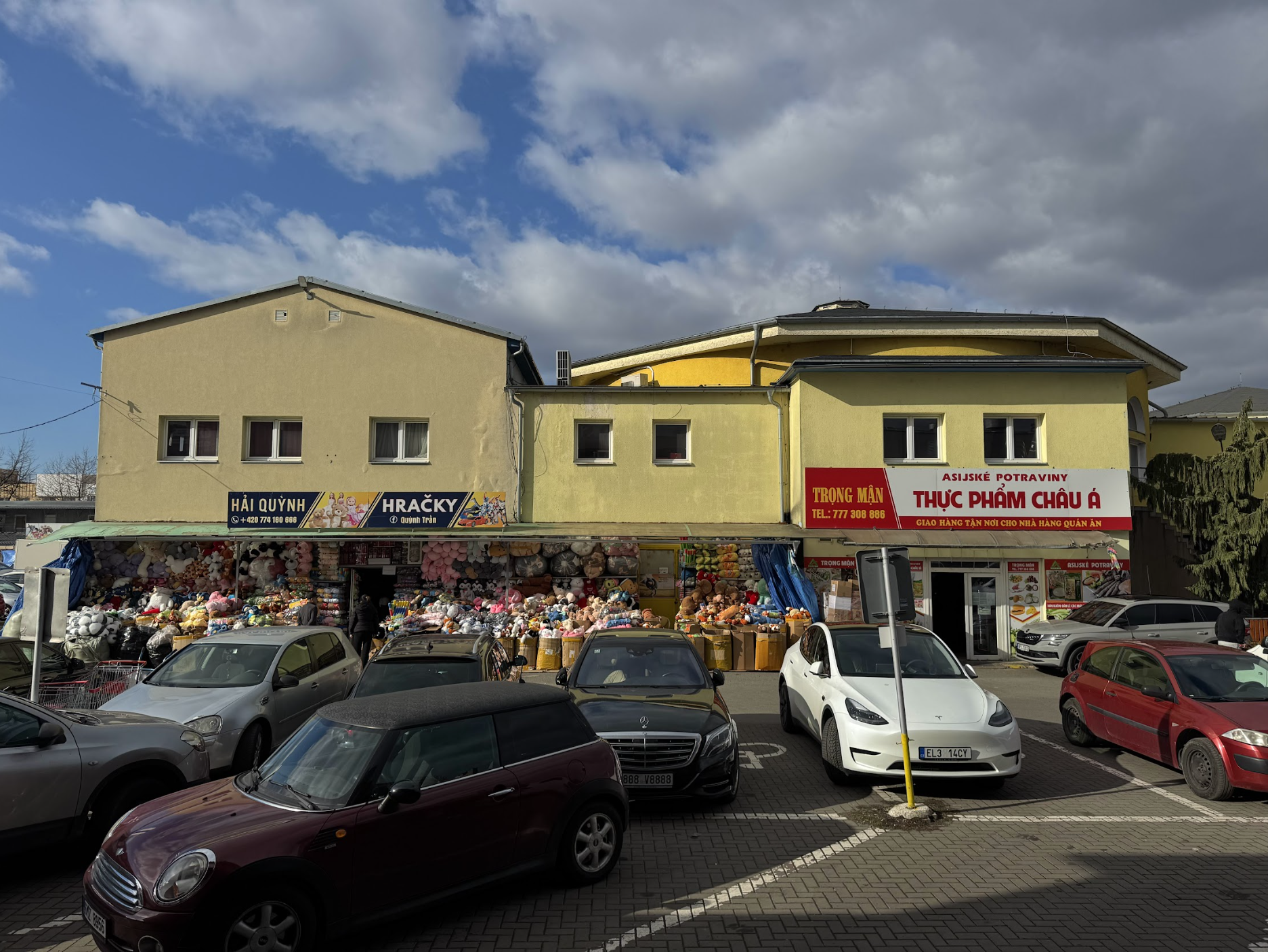
When searching for “food” on maps in Prague, icons of Pho, sushi, and Korean BBQ restaurants always light up the screen, dotting the city with an unmistakable presence. When stepping into a potraviny (the Czech equivalent of a grocery or convenience store), it’s hard to miss that many are run by Vietnamese owners. Even chains of Boba and Matcha shops have spread throughout Old Town. This isn’t a random coincidence; the Asian population in Prague, specifically the Vietnamese people, is one of Czechia’s largest foreign minority groups, right under those from its neighboring countries, such as Ukraine.
In the early 1950s, North Vietnam and Czechoslovakia were aligned due to their shared communist ideology. Because of this, student and labor exchange programs were established, leading to the mass migration of Vietnamese people to this Eastern Central European country.
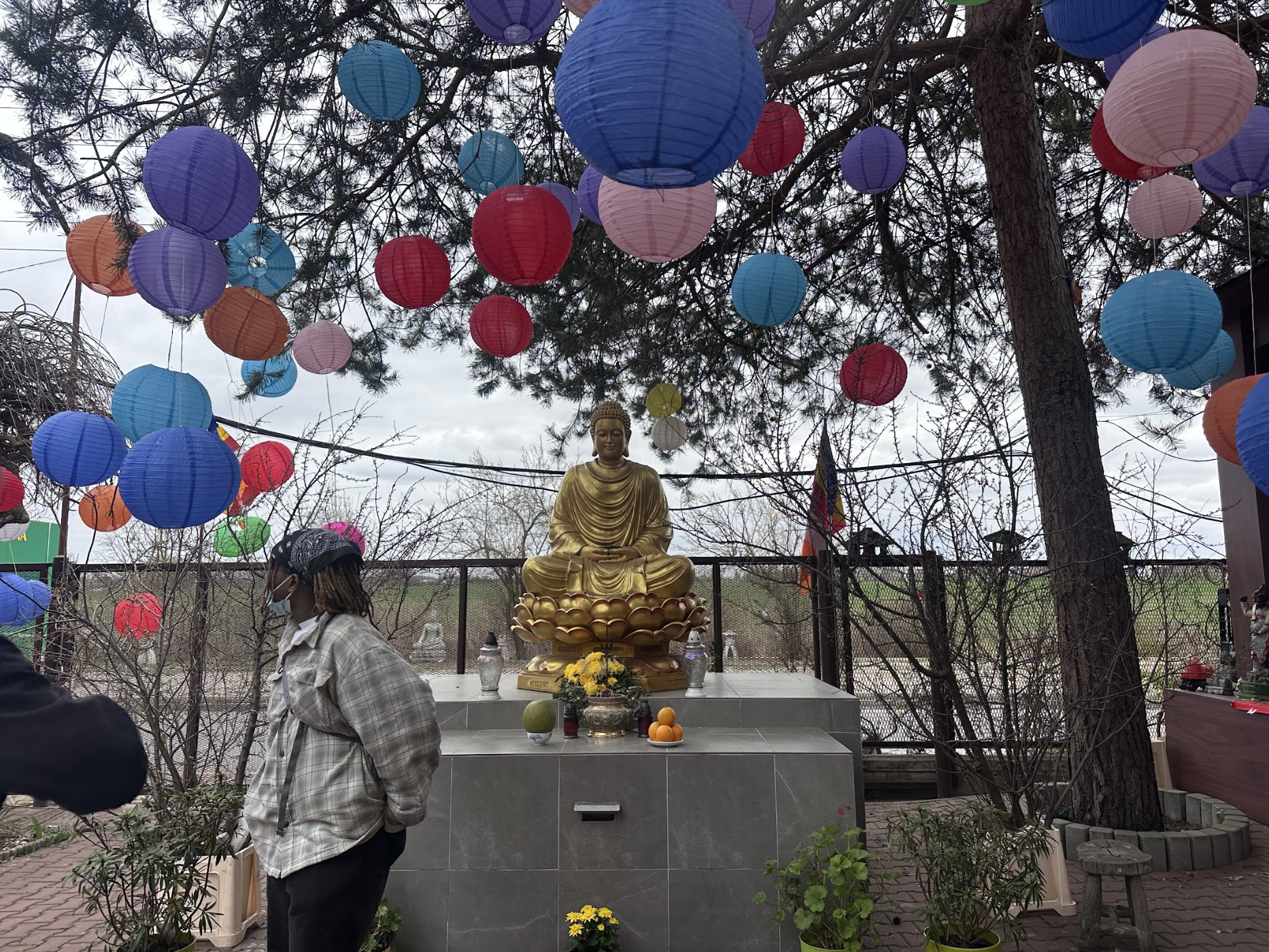
Eventually, those from Central and South Vietnam migrated as well. After decades of Vietnamese resettlement and the fall of communism in 1989, SAPA, a cultural center and open market, was developed and is still today fully operated by Prague’s Vietnamese community.
Inside SAPA
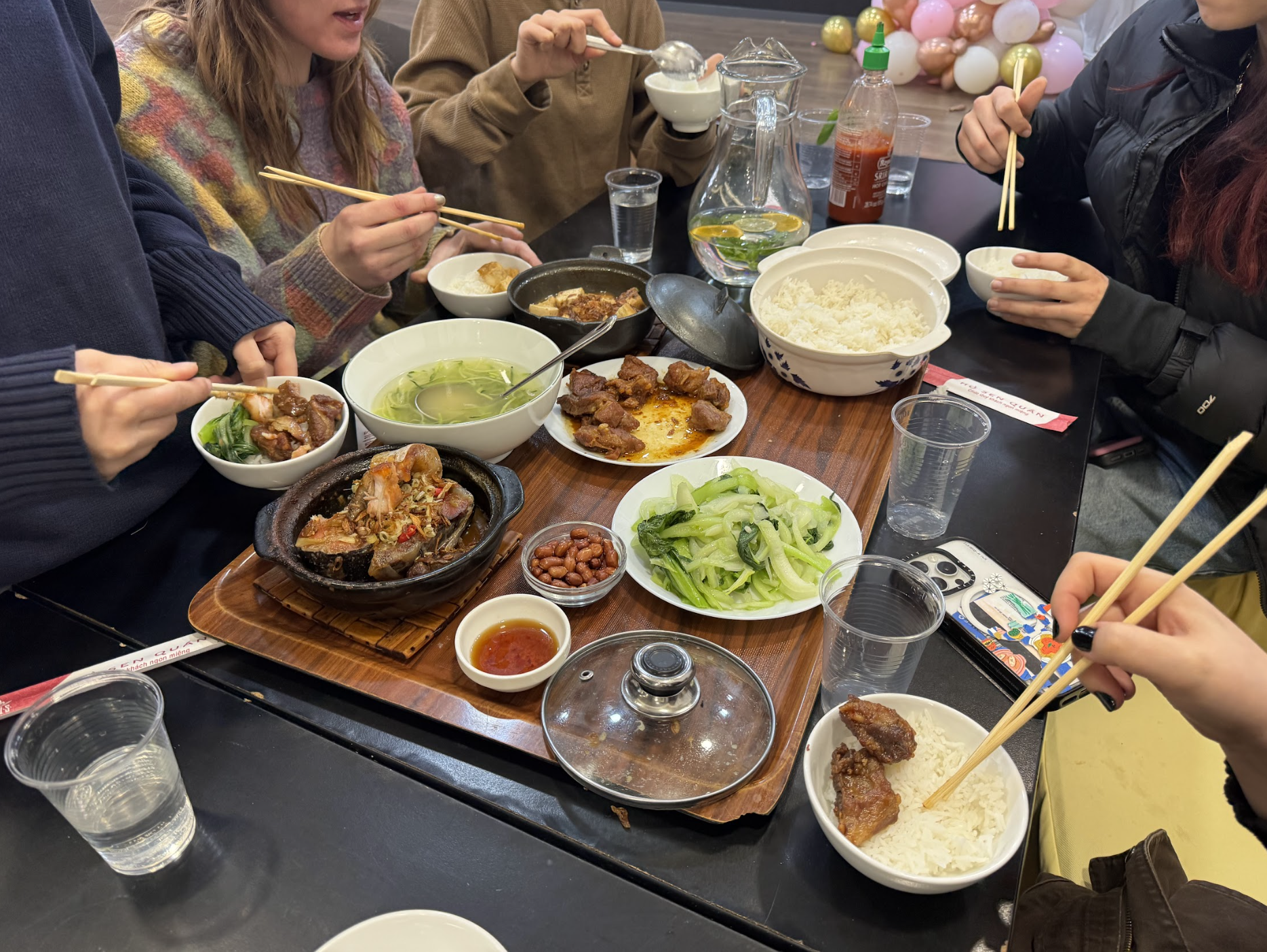
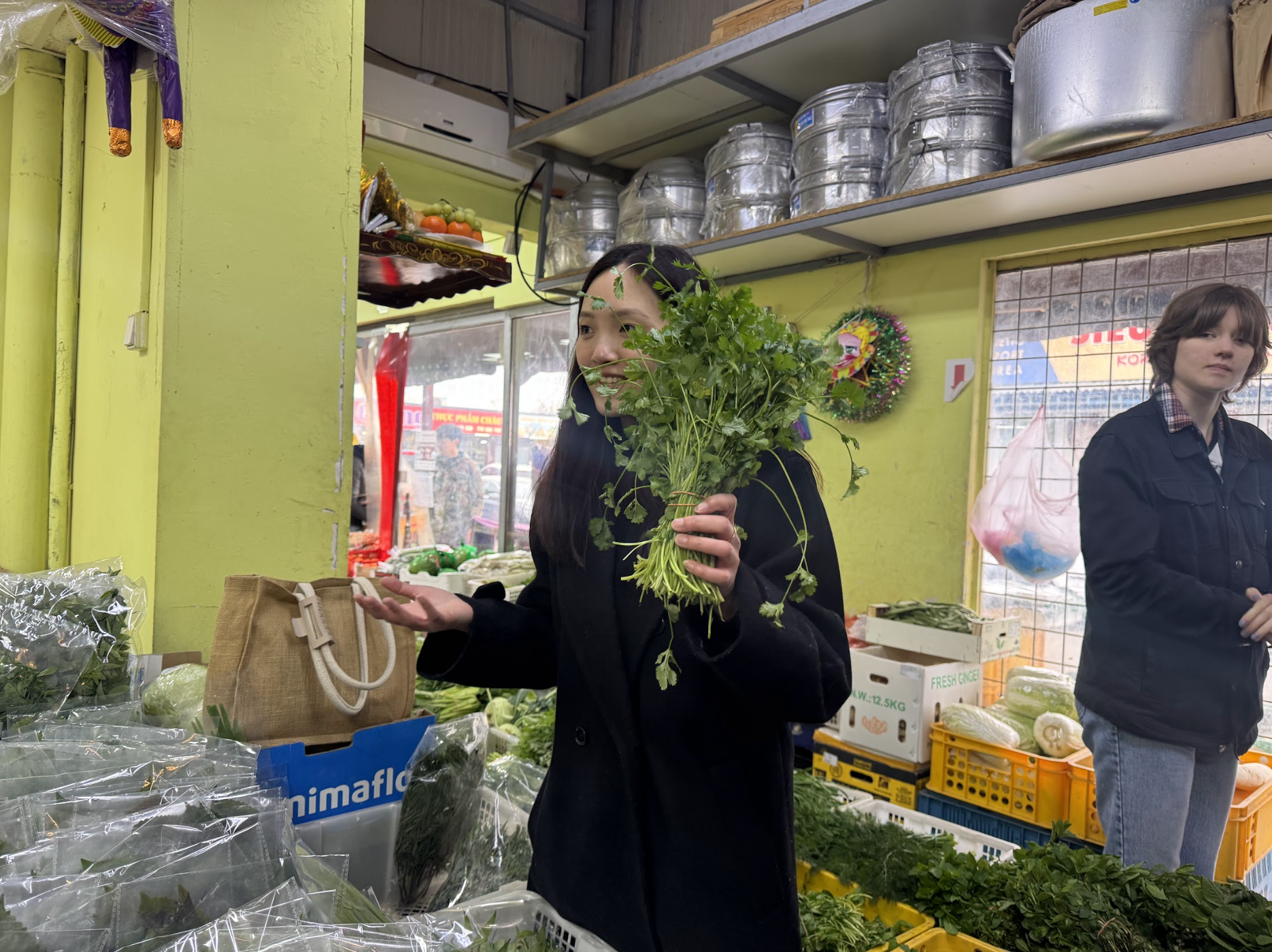
I had the opportunity to join one of NYU Prague’s weekend events, a food tour in SAPA led by a guide named Linh. During the tour, Linh talked about how her family is from North Vietnam and frequented SAPA throughout her childhood.
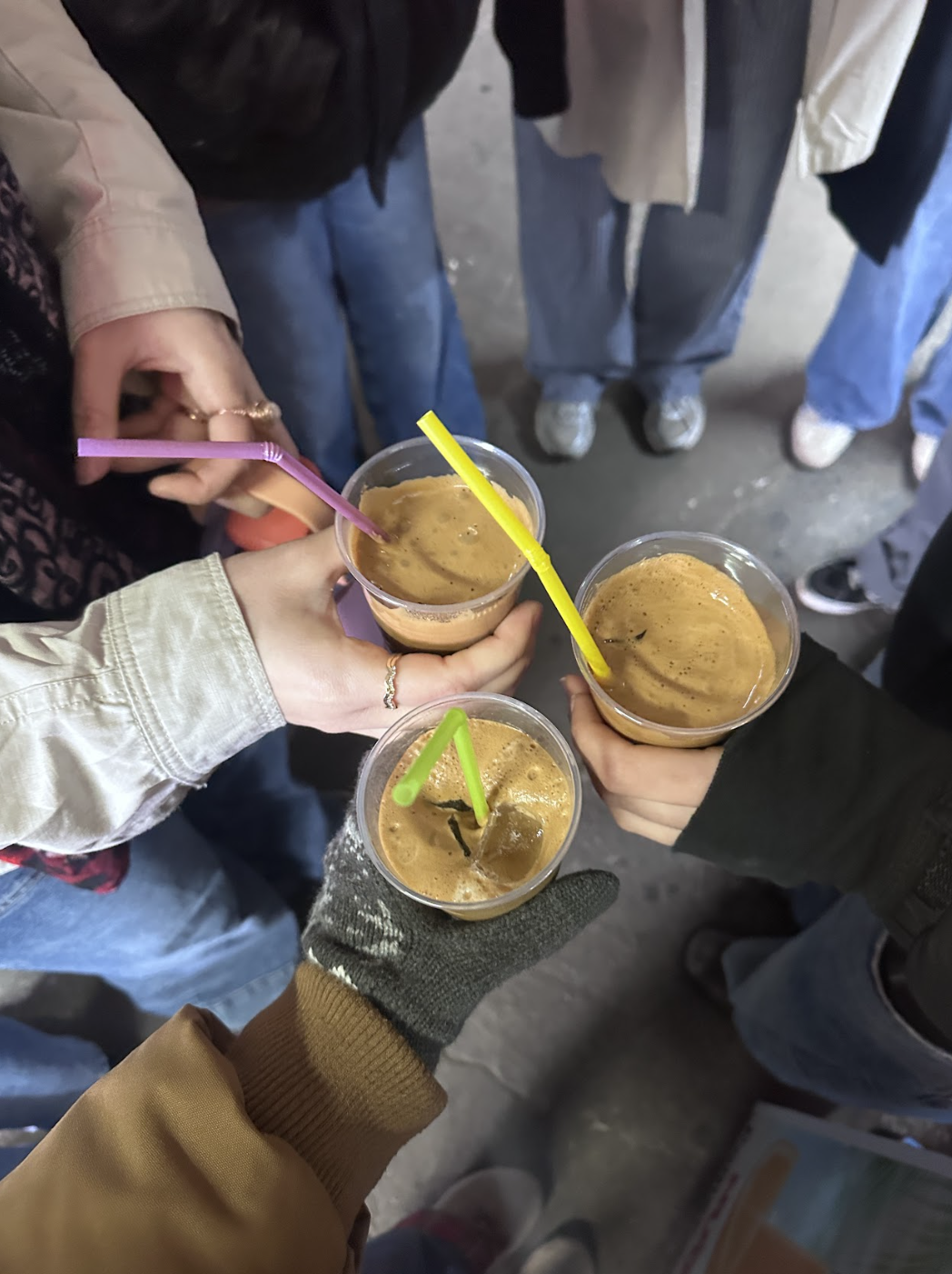
When talking about her favorite shop in SAPA, Linh said, “When I was younger, my mom always went to SAPA to pick up clothes for her shop, and when she brought me with her, she always took me to get the fresh orange juice; and [she] does until [today].”
The juice stall she remembers is run by a husband and wife, known throughout SAPA for their fresh drinks. The husband moves through the market, delivering juices to nearby shops and regular customers. Their business reflects the kind of small-scale entrepreneurship that defines SAPA, where daily routines and cultural traditions are carried forward through tightly knit networks.
That sense of community has been central to SAPA since its beginnings. Linh explained that around 1999 and 2000, after a former meat and poultry factory on the outskirts of Prague went bankrupt, Vietnamese businessmen were invited to repurpose the space as a marketplace. At first, SAPA was closed to the public and used only by these businessmen; however, it soon opened up, becoming a place where people could gather around familiar dishes and share food that reintroduced the flavors of home.
SAPA stands out for how seamlessly it blends goods and services in one place. It thrives with restaurants, bistros, and grocery stores filled with ingredients, while also providing space for Vietnamese entrepreneurs in Prague to build service-based businesses such as hair salons, insurance offices, and even a healthcare center. It is a world of its own, not a place that ignores Czech culture, but one that sustains its own alongside it.
Regional Identities Reflected in SAPA
What fascinated me most about SAPA is that you can find pieces of every region of Vietnam in one place. Often described as an “S”-shaped country, Vietnam’s North, Central, and South are separated by geography. Those boundaries are reflected in the trade patterns and different cuisines of each region. Flavors shift from subtler, more balanced tastes to dishes that are spicier, sweeter, or more herb-forward.
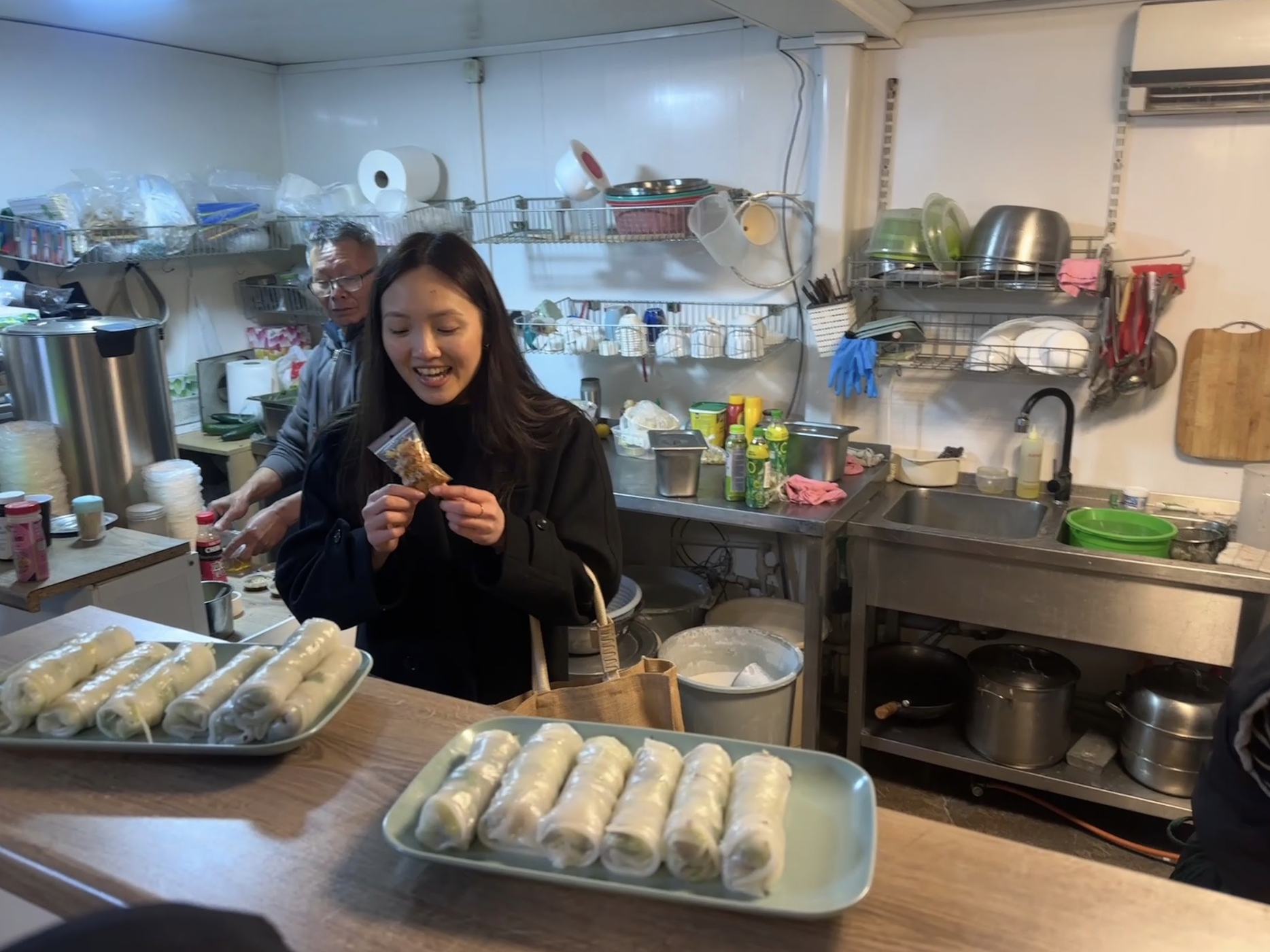
“I am from the north, so I'm only familiar with the cuisine from the north,” but “in SAPA I can also explore [others]…especially the central Vietnamese cuisine [and] the little street food bistro’s,” said Linh.
I, too, had a similar experience during the food tour. Many Vietnamese communities in the United States are from South Vietnam, so I was not fully familiar with the regional differences we encountered, such as fried vs hydrated rice paper spring rolls.
Within SAPA, Vietnamese people can reconnect with regional identities, sharing food from across Vietnam. It functions as a community within a larger community, able to explore new parts of itself while protecting cultural traditions overseas.