

By Toa Ghatak (11/27/26) — London, UK
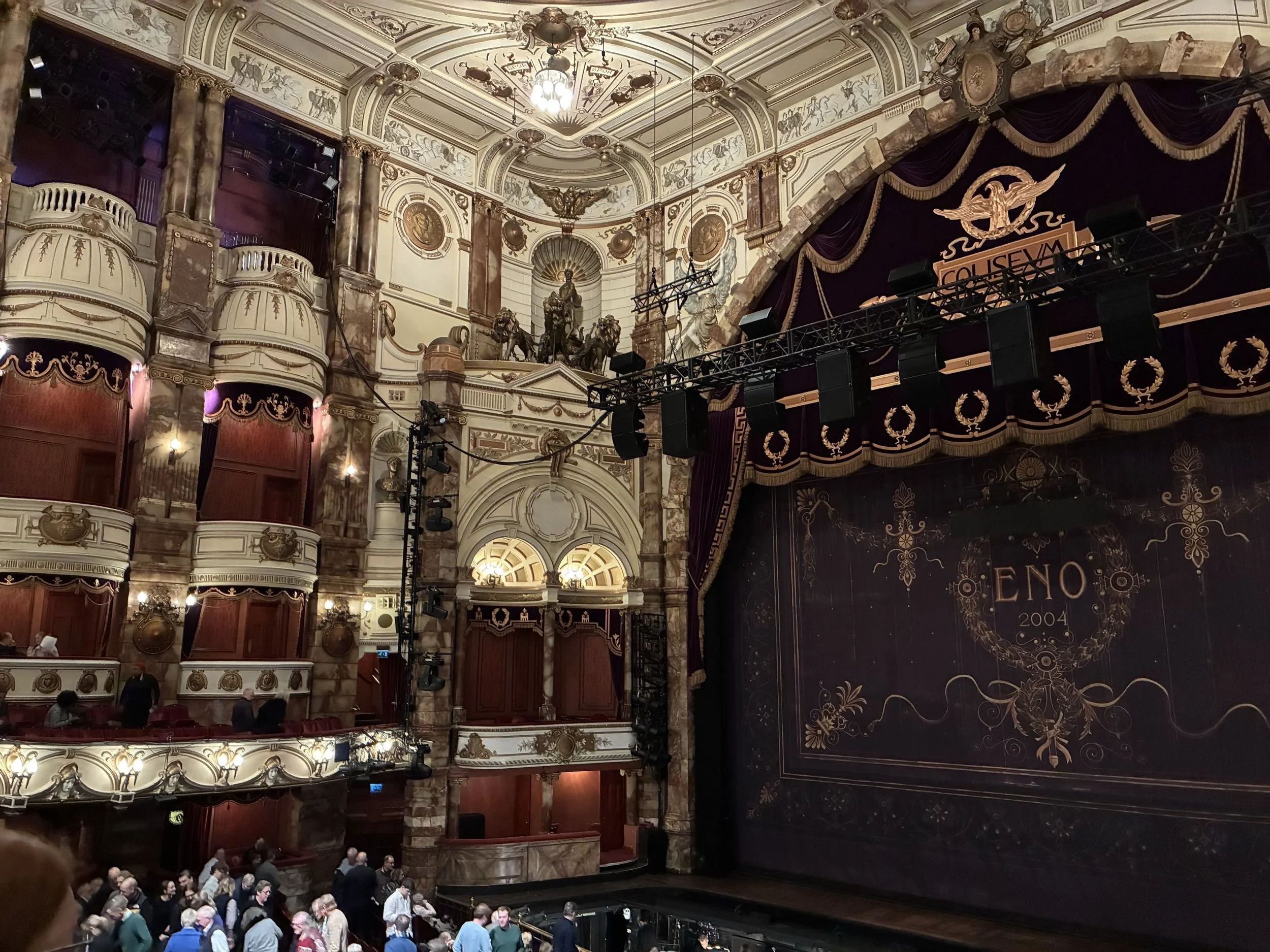
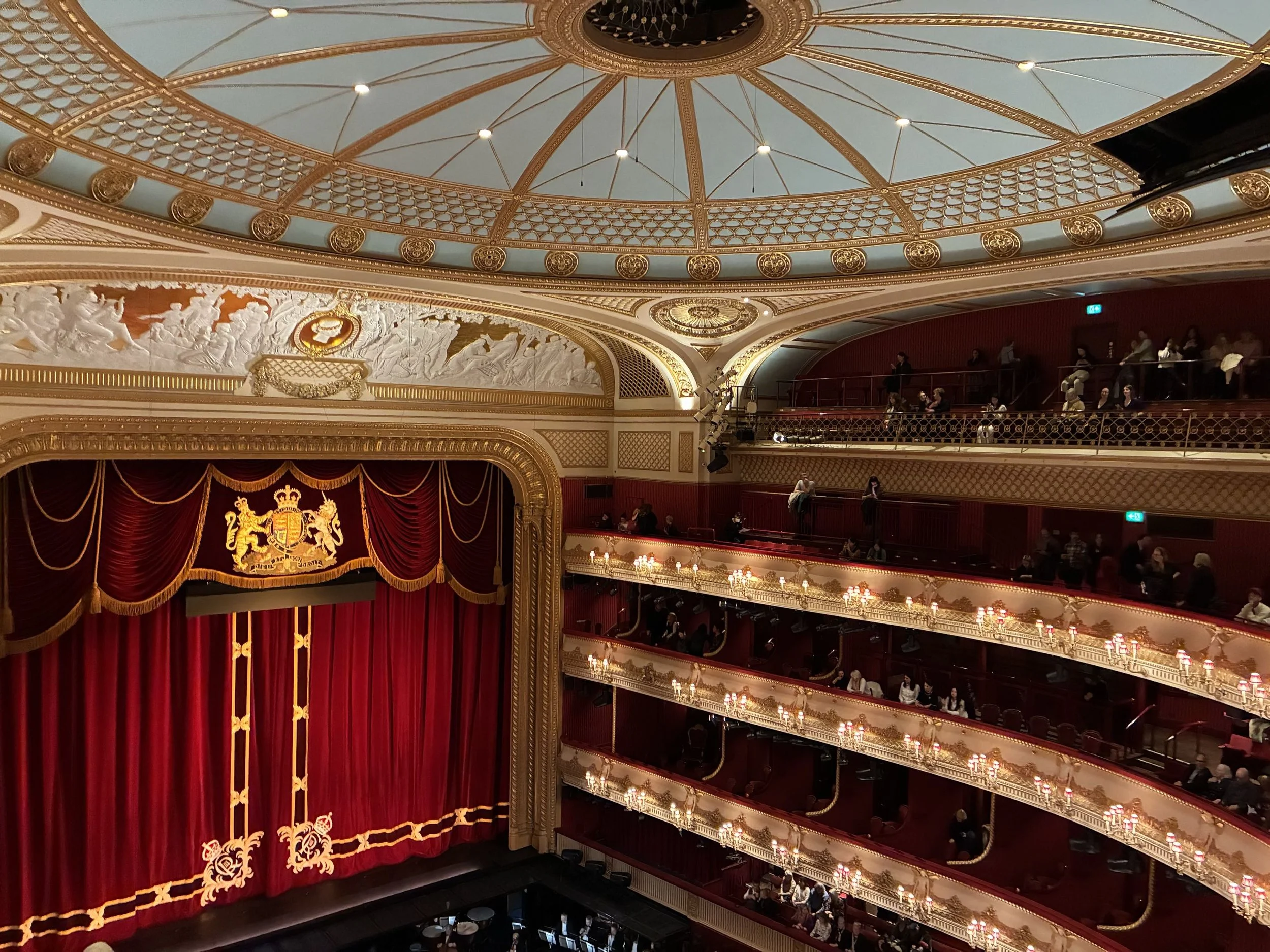
Every week for an arts class, I attend a new performance: plays, operas, dances – whatever NYU London covers. As much as I do enjoy performance, I wouldn’t have gone to nearly as many as I have this semester if not for my class requirements: I’m nothing like the woman sat next to me at a production of Manon from the Royal Ballet discussing how this was her twelfth time seeing a production of Manon itself, or the couple next to me watching Tosca at the English National Opera saying it was their “maybe eighth” time seeing the same story on stage.
Sure, I have my own vices: if a local symphony is playing Holst’s The Planets or Stravinsky’s Firebird, I might go, despite having heard them live before. But the distinction here is why I only might go, instead of immediately taking my chance: performing arts are simply less financially accessible in the United States than in London. The professor for the class that allows me to see all these performances for free has said time and time again that “this class simply wouldn’t be possible to run in New York”, even from the perspective of a born and raised New Yorker. “The tickets that we get for the class, that NYU pays for, would be impossible to get in New York.”
For a Friday 7:30PM showing of Hadestown on the West End, I can get seats for as cheap as 25 pounds without even applying any student discounts.
With the same show and time, Hadestown on a Friday at 7:30 PM, but on Broadway, the cheapest tickets before any added discounts are 177.19 USD.
The options are similar for other types of performance: to see an acclaimed violin soloist perform alongside the London Philharmonic Orchestra, the cheapest tickets I can find are 16 pounds. For a similar event, if only with a piano soloist at the New York Philharmonic, it is $119.
Through talking to the people sat around me at every event I’ve attended for class, I’ve become enamored with their commitment to the arts. Many have now grown old, but cite the fact that they’ve been continuously attending shows since their youth: because it was possible. If I want to go see classical music or a play live, I have to see if I’ll be willing to shell out 100 dollars on a college student budget. The ability to build my community through the arts has always been a dream of mine, but it feels more realistic in Europe; in fact, I’ve seen that dream reflected through stories.
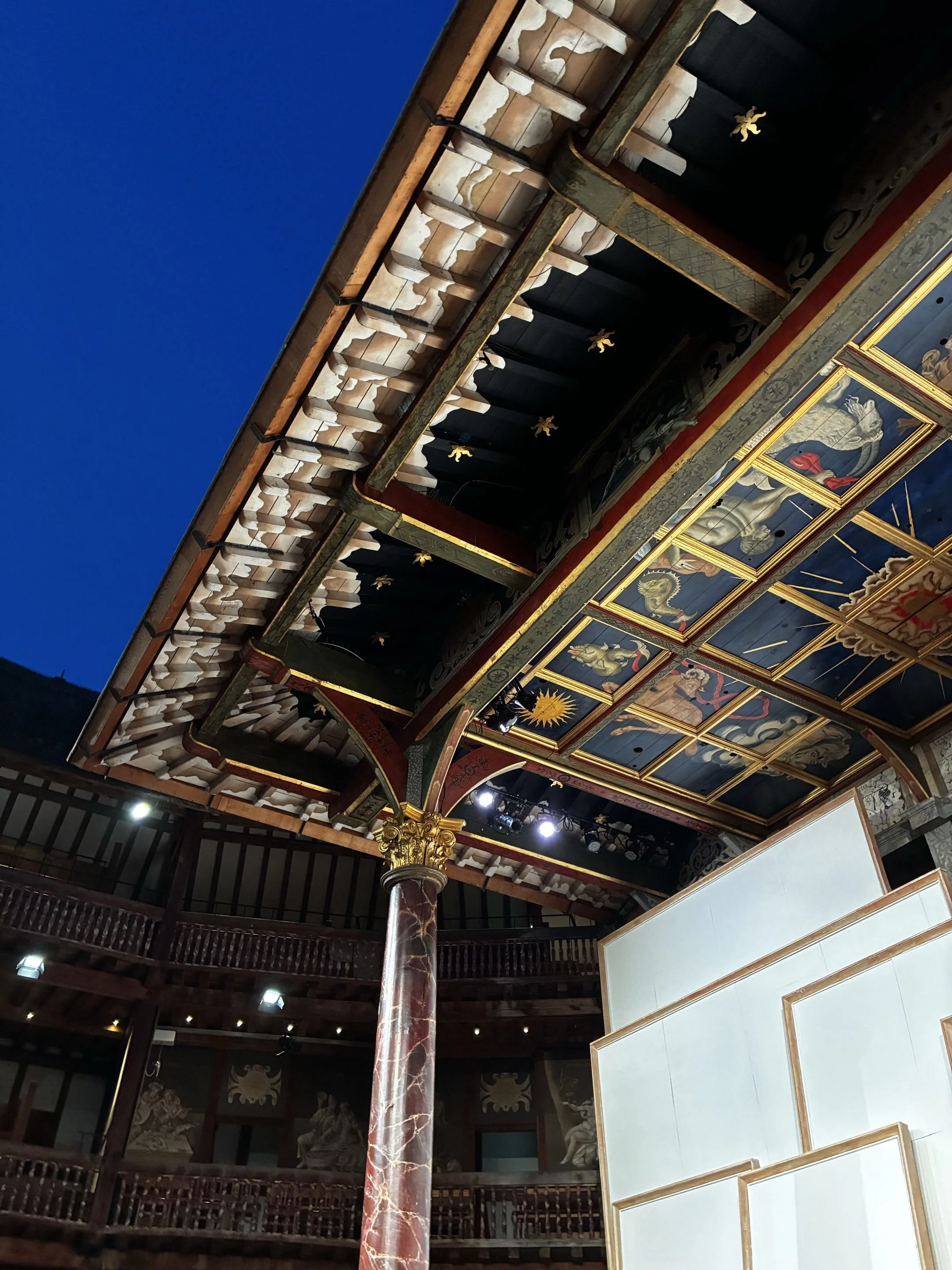
One anecdote that stood out to me was from my night at Shakespeare’s Globe, where I was (trying) to watch As You Like It. As I had to step outside the main theatre, a volunteer steward (the Globe runs entirely on volunteers for their ushers!) brought over a bottle of water for me. It was near the end of the play, and I felt interrupting the theatre by re-entering was unneeded, so I decided to strike up a conversation. As I started, another volunteer steward came over. Through our conversation, I learned that these volunteers were in fact husband and wife, and they had been volunteering at Shakespeare’s Globe “since the beginning– actually, before the beginning, we helped with many of the previews the year before it opened!” I was amazed simply by this fact, but their recollection of how they became close warmed my heart. “I came to as many shows as I could, from the time I was 16 onwards. All my free money went towards performance– it was good for my soul. I met [my wife] in university, and we continued that tradition.” His wife had nodded along, though she joked about how she could specifically never drag him to opera, though her favorite was Carmen, having watched performances of it countless times.
It would be a dream to spend my pocket money on performance, instead of treating it as something I have to save up for months to attend. The culture of accessible performance in London especially fosters a community that continues to give back– whether creating people who volunteer at a venue for over 20 years in their spare time, or favorite-show fanatics who pass their enjoyment on to the next generation.
