

By Sawyer Ploski (12/07/25) — London, UK
It took me half the semester here in London to find my favorite part of the city: the music scene. In the past, I’ve always heard people talk about a certain “punk rock” British vibe, but I’d never realized it actually existed here until I stumbled upon it myself. It’s strangely alive in ways I didn’t expect–welcoming, loud, and messy. You can find hidden music hubs all over the city, but after weeks of hopping from place to place, I found one that truly stuck with me. It’s an intimate, easygoing venue called The Windmill, where I went one night out in Brixton.
Inside The Windmill Community
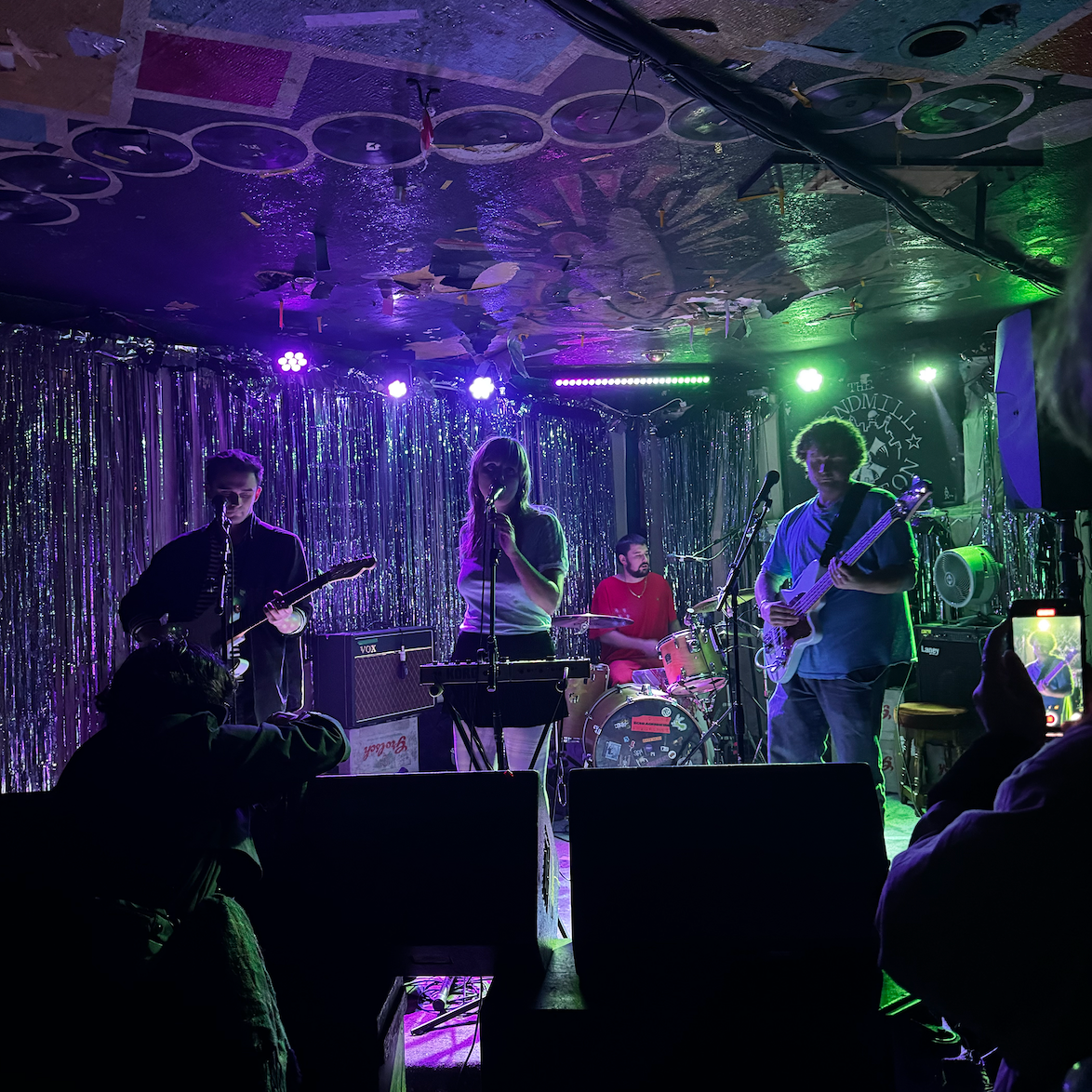
As soon as you enter The Windmill, you’re hit with a rush of vibrant and chaotic energy. The sound system is blasting, music filling the air all around the full bar, a mismatched collection of lamps, and an outdoor garden that serves as a place for artists and listeners to hang out between sets. Every weekend lately, I’ve been going there, listening to whichever artist ends up on stage that night, and taking in the venue's unique energy.
Upon talking to some of the other regulars, it’s clear that the people there are just as interesting as those performing. They’ve all ended up at The Windmill through their love of music, and they all contribute to the atmosphere of the venue that I find so endearing.
After a while, I started to pick up more on the history of the venue that has cultivated the culture there today. Around 2001, The Windmill started its shift into the music world when the owner, Tim Perry, decided he wanted to start booking shows (Rebeiro). This marked a real period of change for the establishment, as it started to rise above its station as a local pub into a launchpad and home for new artists (Kelly).
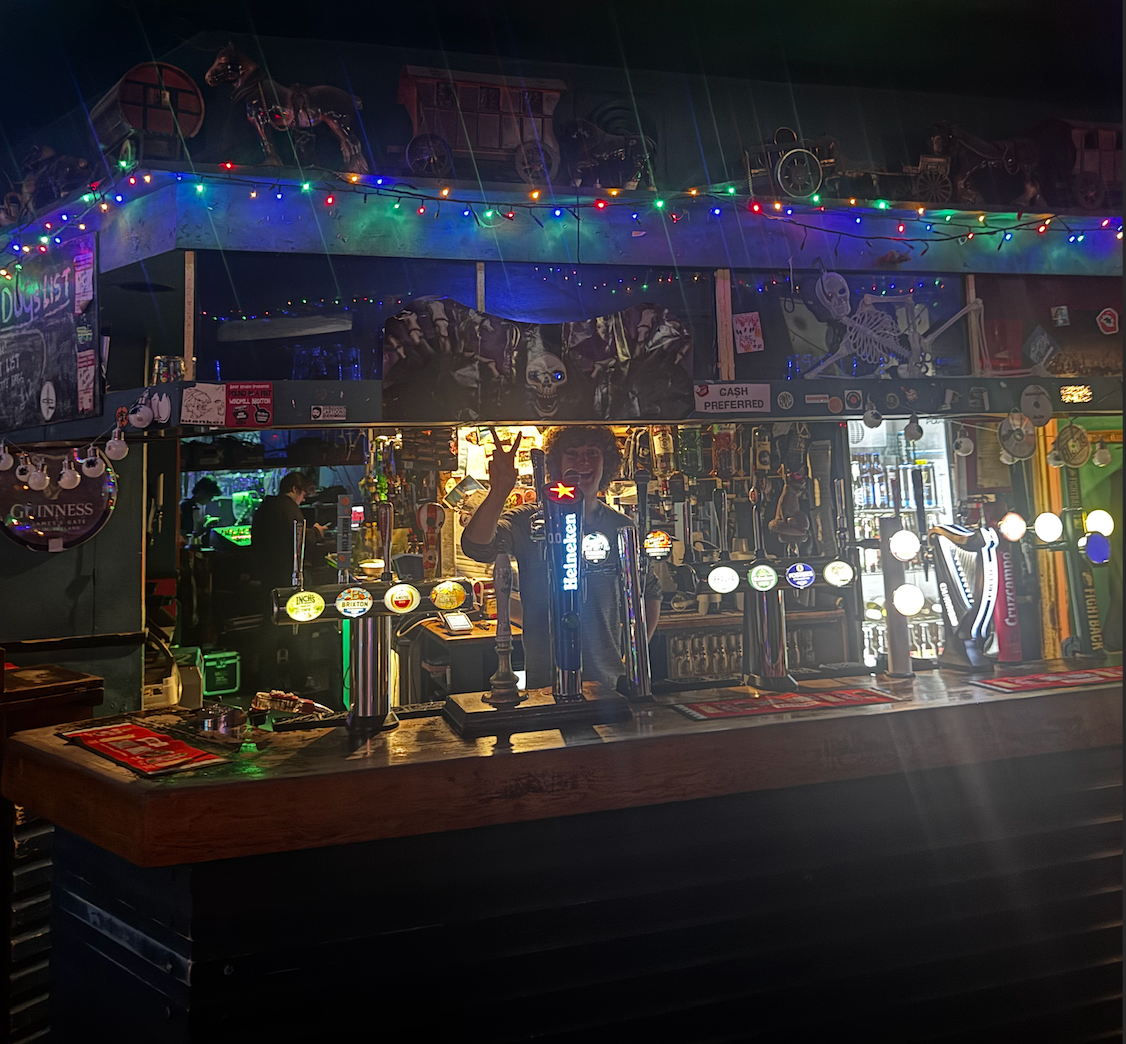
Some more research showed me that The Windmill helped nurture bands like Black Midi, Black Country, New Road, and The Last Dinner Party long before they were as well-known as they are today (Rebeiro).
The man who ran the door was quite enthusiastic about the venue where he works.
“In a typical week for us, we have live music five or six nights, sometimes with three or four acts a night,” he said. “Over a year, that’s hundreds of artists coming through. A lot of them are playing their first show ever in London.”
When you go inside, you can easily see how that would be possible. The room is small, with people standing shoulder to shoulder, and the stage is close enough for everyone to have a perfect view of the artists on stage.
“The energy is what people really love,” he told me. “It’s small, so you’re practically face-to-face with the band. It makes it feel like everyone in the room is a part of the performance.”
The Windmill becomes much more than just another stop on a band’s tour. “Playing the windmill is like a rite of passage. Being able to play here really means something for the performers. It means you’re doing something original, not just following trends.” Journalists describe the place in a similar way. The Windmill is often framed as a centerpiece for one of the most exciting indie scenes in the UK, a place where new sounds can come alive in front of a live crowd.
The Beer That Fights Back
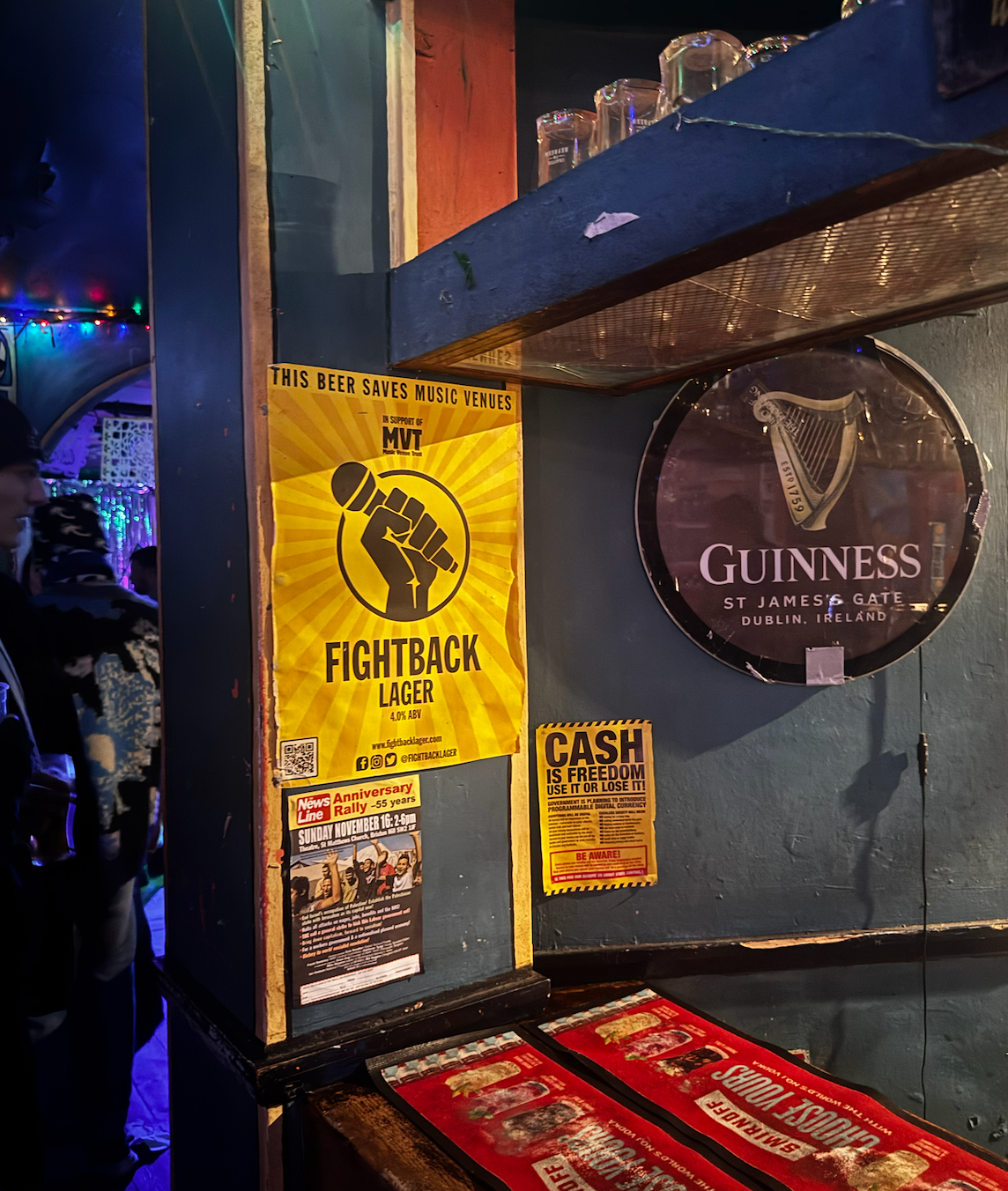
Another night, after an amazing set from a band referred to as Shanghai Shoegaze, I was waiting at the bar before the next artist started. I noticed a small tap handle I had seen at many other venues around London–the name on it was Fightback Lager. I’d ordered it plenty of times without actually thinking about it. I assumed it was just another type of local beer in the London area, but it turns out it stands for much more.
Fightback Beer was created specifically with the intention of supporting grassroots music venues across the UK (Hawkins). A portion of the money from every pint goes to Music Venue Trust, a charity that helps venues deal with legal costs, noise complaints, licensing issues, planning disputes, and rising business rates. The idea's basis is incredibly straightforward. People are already drinking at gigs; therefore, the beer itself should help to keep those spaces alive.
Since its launch in 2018, Fightback has sold tens of thousands of drinks, run national crowdfunding campaigns, and shown how much they care about music by partnering with venues and pubs across the country.
Sustainability Beyond The Environment
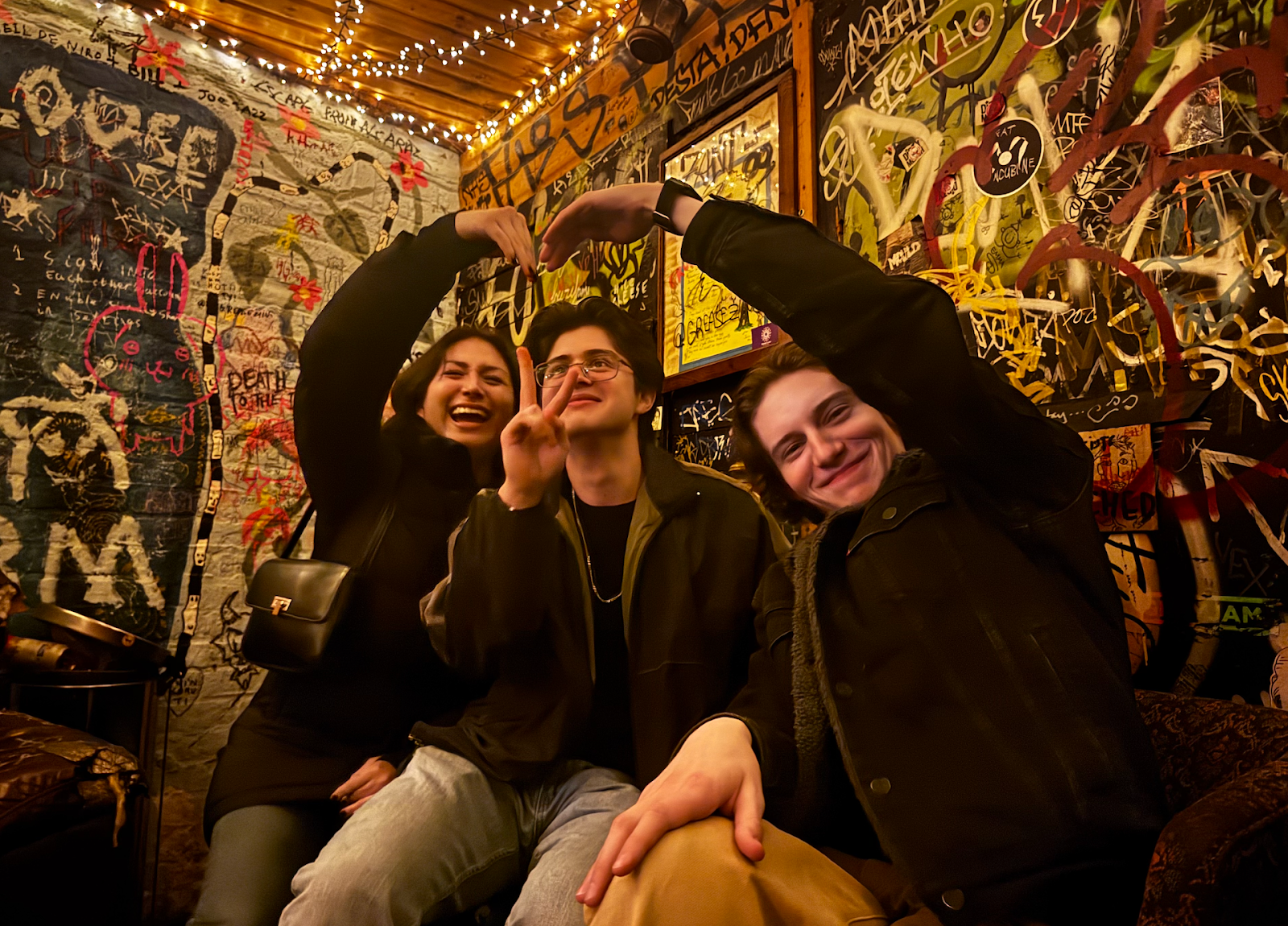
Their support means more to the community than meets the eye. Recent reports show that more than 150 grassroots music venues in the UK have closed since early 2023, under debilitating pressure from soaring energy bills, rent increases, and thin margins (Rebeiro).
Venues like The Windmill are still standing largely because they have such strong communities that rally around them, doing whatever they can to protect the places that bring so much to their neighborhoods.
Now, anytime I’m standing in the packed room of The Windmill, I start to think about how sustainability is about so much more than the environment. It’s about protecting the cultural infrastructure that brings people together and makes cities feel truly alive. The Windmill can facilitate community formation and new music, while Fightback Lager helps fund that system from the inside.
Together, they’re a perfect example of what sustainable business can look like when it treats culture with respect and acknowledges it as something worth preserving.
Works Cited
Kelly, Laura. “How Iconic London Music Venue The Windmill Made Brixton a Mecca for the Best New Bands.” The Big Issue, 12 Oct. 2023, www.bigissue.com/culture/music/the-windmill-brixton-london-music-venue-watch/.
Rebeiro, Miles. “The Windmill, Brixton: A Gig Venue Thriving amid a Wave of Closures.” Financial Times, 24 Oct. 2025, www.ft.com/content/445a64c4-c16c-4f50-bd4f-624fedff06f3.
Hawkins, Emily. “Beer Distributor Will Fightback against Music Venue Closures.” Morning Advertiser, 22 Nov. 2018,www.morningadvertiser.co.uk/Article/2018/11/22/Beer-distributor-will-Fightback-against-music-venue-closures.
