

A Building That Grows
By Nina Combs (05/03/26) — Sydney, AU
What does modernism look like to you?
In almost every dystopian film, the predicted image of a modern city consists of sleek skyscrapers, bright lights, and flying cars. So far, we've got two of those down! However, there is rarely a portrayal of greenery depicted in this futuristic vision of modernity. As time passes, will there be an increase in green spaces or will the concrete jungle win out? The designs of French architect Jean Nouvel argue for a different winner.
This architectural spectacle is named the One Central Park building and was designed by Jean Nouvel and a group of Australian architects. In his work, Jean Nouvel combines the wildness of human creativity and the ethereal beauty of nature in 34 floors and over 2700 planter boxes, further containing over 250 species of Australian flowers and plants. Not only does this vertical garden catch attention with its lusciously green peppering, but also with its unconventional shape.
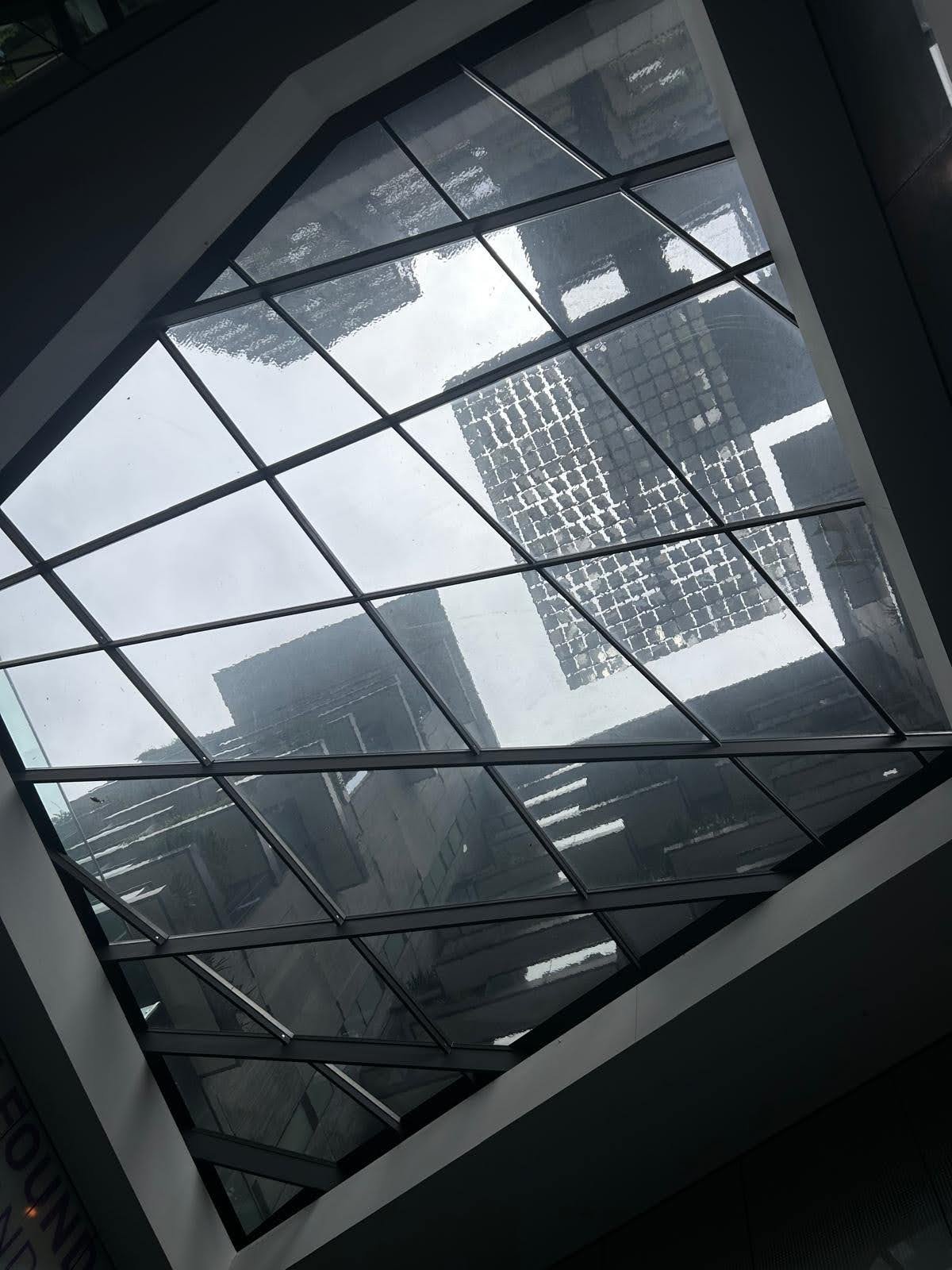
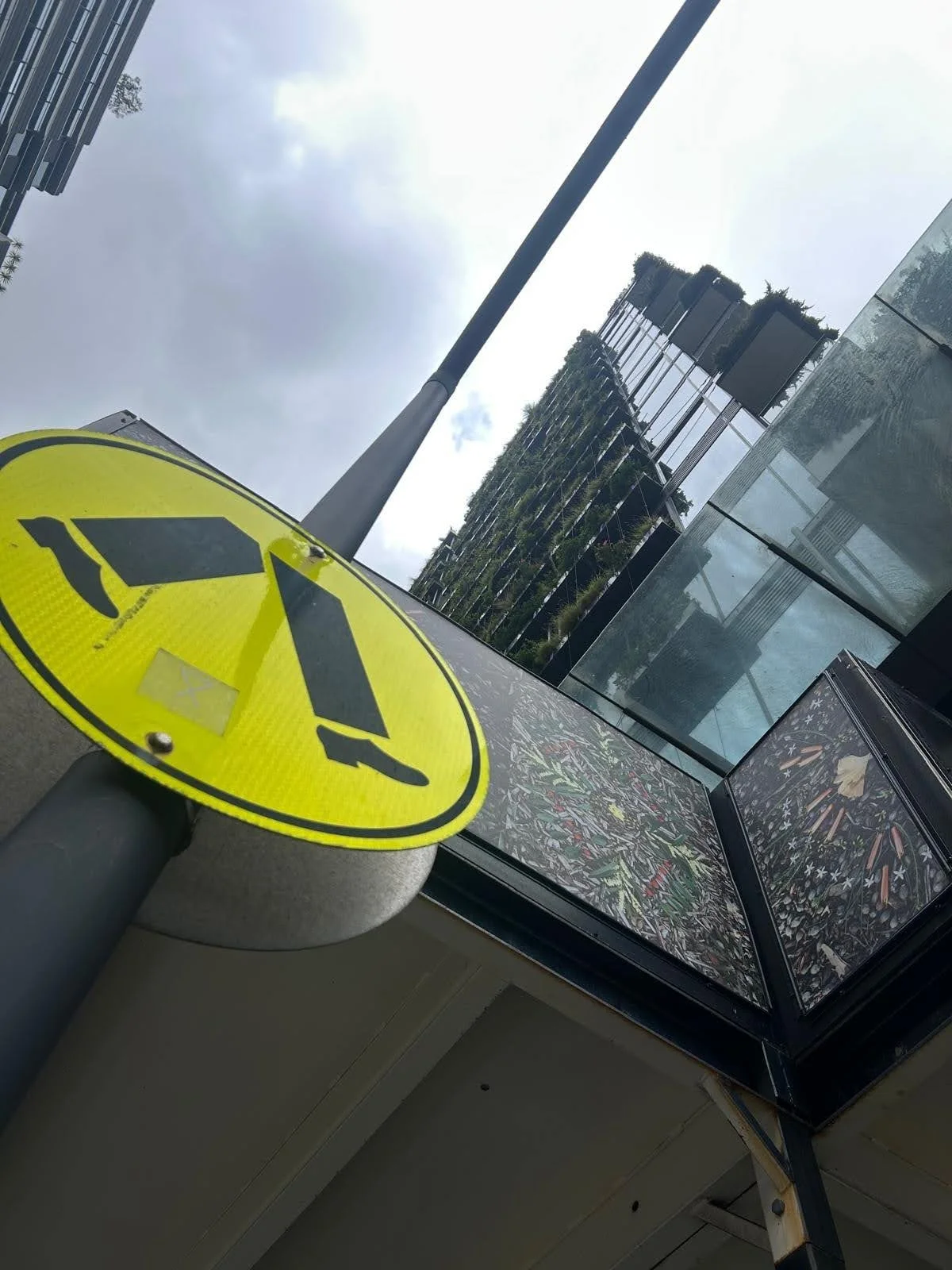
The design includes two large rectangular buildings, with one towering over the other. It connects the pieces with what appears to be a reflective silver balcony, or so I thought. Upon further research, I learned that what appeared as a balcony wasn’t a balcony at all but rather a heliostat. According to the Tilt Industrial Design Company, a heliostat is a reflective mirror device, motor-driven, that reflects sunlight to a specific area, concentrating sunlight continuously in one location to collect/store thermal power/energy. The One Central Park heliostat is the first heliostat in Australia used for a residential building. This is the first of many for the One Central Park building.
Additionally, it was the first step of many within Sydney’s urban renewal project. According to the Sydney City Plan, the purpose of the urban renewal project is to be a “symbol for sustainable high-rise living and will include the installation of green rooftops, smart metering and solar-powered lighting in public spaces.” The project includes 250,000 square meters of development with multiple buildings and a new part to promote sustainable urban living.
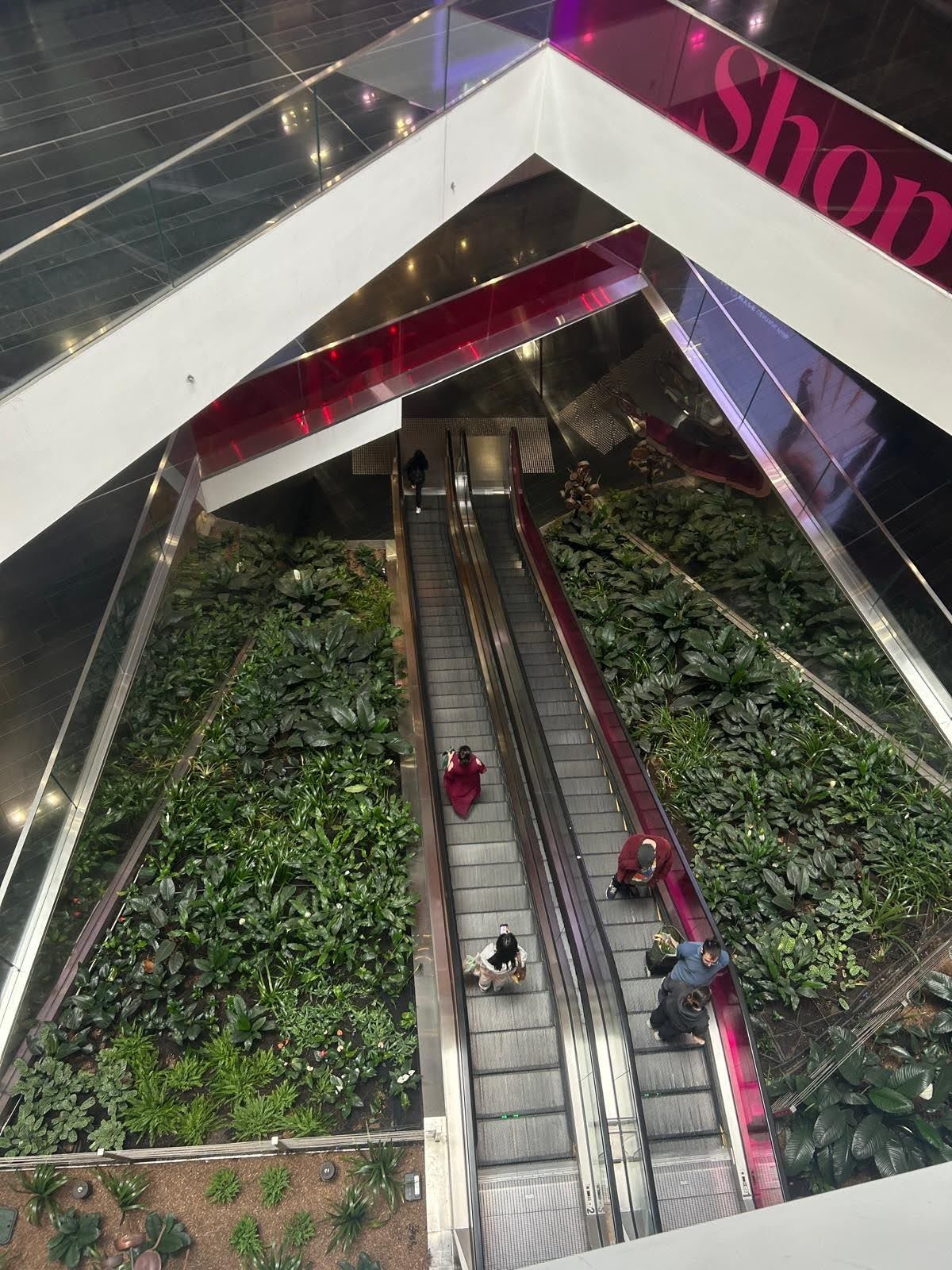
Although One Central Park was the first step, it successively includes all aspects of the project's mission; built to include residential living, a shopping complex, greenery, and heliostats. Its eco-friendly makeup doesn’t just stop on the outside but is intertwined in the design within the building itself as well. Traveling between floors, the shoppers and residents are engulfed in vibrant plants and fresh soil.
One Central Park building stands as a pioneer for sustainable living. Although the urban renewal project doesn’t contain any clean energy flying cars (not yet, at least), it does rewrite the script of the future. It’s no Blade Runner city, but it is a building that grows.
Works Cited
Defries, Amanda. “Central Park, Sydney – City Plan.” City Plan, 4 Sept. 2018, www.cityplan.com.au/portfolio/central-park-sydney/. Accessed 25 Apr. 2026.
“Heliostat - One Central Park.” Tilt, tilt-industrialdesign.com/projects/heliostat-one-central-park-reflector-system/.
Nouvel, Jean, and Bertram Beissel. Title: Case Study: One Central Park, Sydney. 2014.
