

Small Businesses, Big Tourism
By Naysa Seth (03/22/26) — Florence, IT
Florence is a city that feels permanently on display. Every day, thousands of visitors move through its narrow streets, stopping for espresso, gelato, sandwiches, and souvenirs, making tourism not just a feature of the city’s economy, but its main component. For example, according to data from 2023, Italy’s travel & tourism sector contributed €215BN, representing 10.5% of Italy’s total economic output for that year, highlighting a significant impact (World).
While sitting in a small café near the city center, I realised that for small businesses in Florence, the importance of tourism creates a strange balance. For some context, Small and Medium Enterprises, or SME’s, are defined as an “enterprise with fewer than 250 employees” (Smith). Over 80% of EU tourism businesses are SMEs, including family-owned restaurants, boutique hotels, and souvenir shops (UN Tourism). In Florence, Tourism keeps cafés and shops alive by generating revenue, but it also shapes how they operate, what they sell, and increasingly, how sustainable they can afford to be.
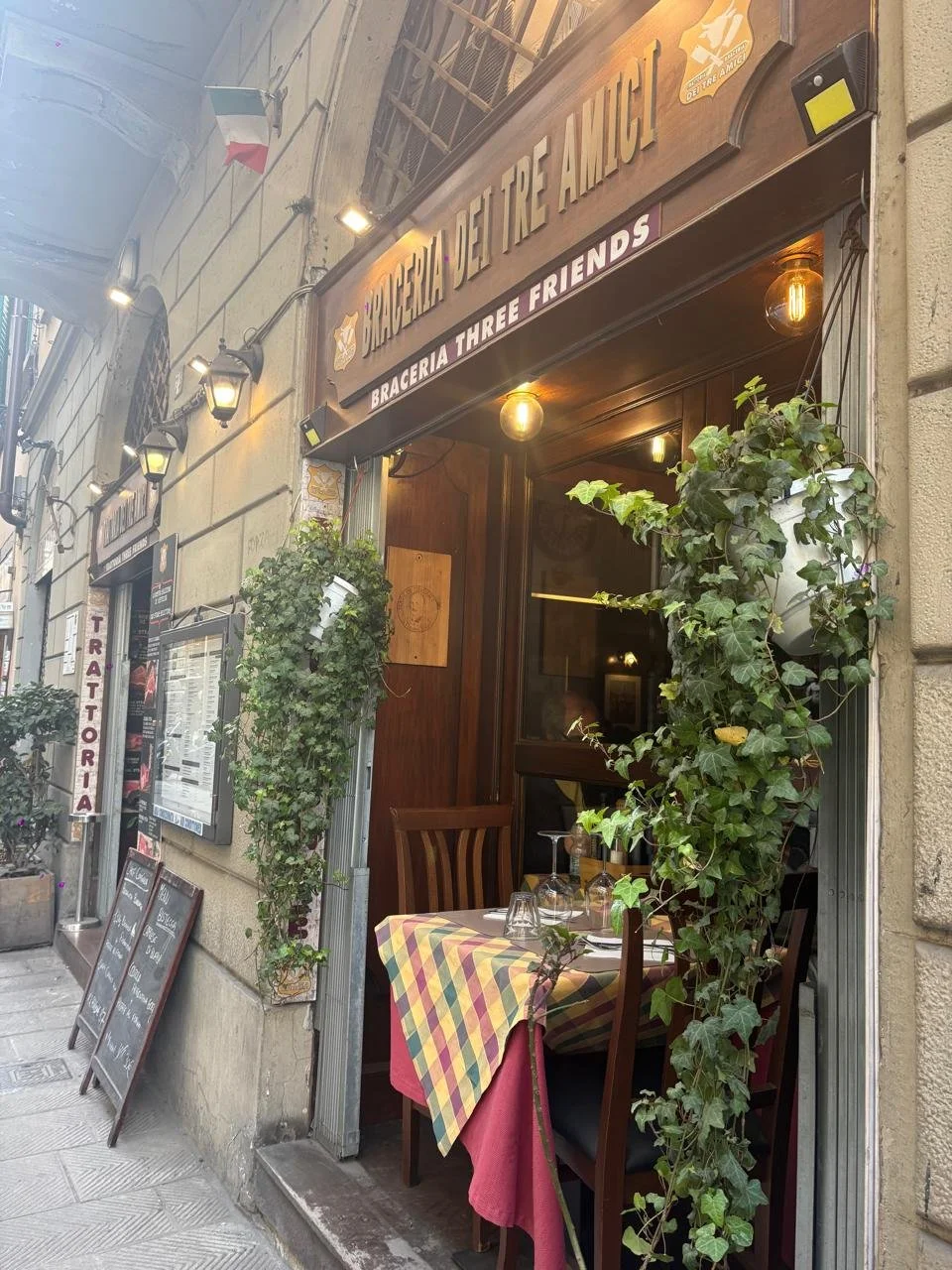
In this same cafe, called ‘Braceria Dei Tre Amici’, I decided to approach the owner, who preferred to keep her name private, and ask her how tourism has changed the business over time to gain more insight into this problem.
“It’s much busier now, especially in certain months,” she said. “In summer, the streets are full, but in winter, it slows down. The business depends a lot on who is visiting the city.”
That seasonality creates instability. Tourist-heavy months bring intense demand, but quieter periods make planning difficult. For small businesses, such as the Braceria Dei Tre Amici, operating on tight margins, that uncertainty affects everything, such as hiring staff, investing in new equipment or materials, and most importantly, sustainability.
Large corporations often approach sustainability on a macro level, through structured policies such as carbon targets, ESG goals, and corporate social responsibility programs. However, small businesses are rarely able to operate within that framework, as the much smaller scale means that decisions must be far more immediate and practical.
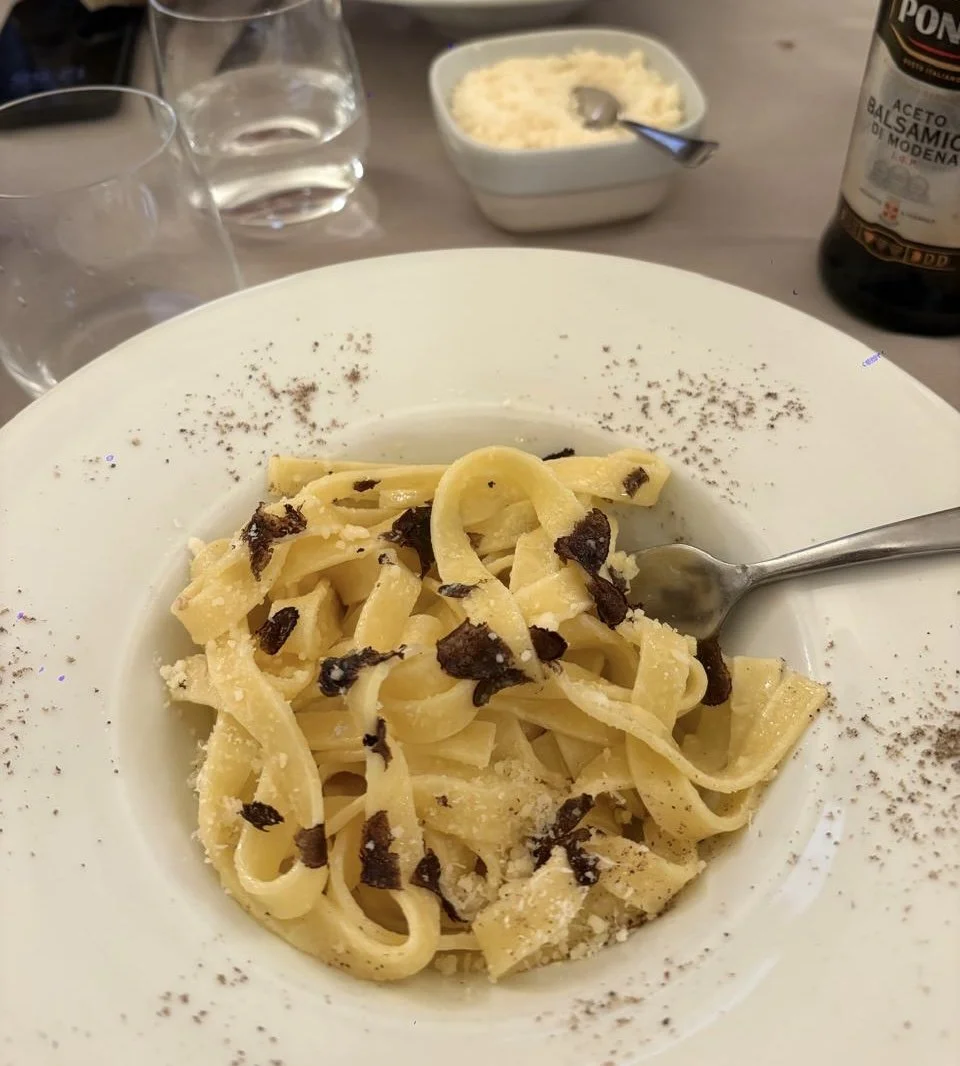
At the micro level of a small, family-run café, sustainability looks a lot more like choosing where ingredients come from, how food is packaged, or how much waste is produced each day. When asked about ingredient sourcing, the owner explained to me that they generally attempt to source them locally when feasible.
“We work with suppliers nearby when we can,” she explained. “The quality is better, and it supports people around here.”
But the decision is not always straightforward. Local products are often more expensive, a problem that is compounded by steadily rising costs due to over-tourism, which pushes smaller businesses out of the city centre. In fact, rent, energy bills, and ingredient prices have increased significantly over the past few years. As tourism demand rises, permanent residential housing is constantly converted into short-term rentals, reducing housing opportunities and increasing prices for workers, teachers, healthcare staff, and service employees who are essential to the functioning of the urban economy.
High rents in Florence’s historic center have already forced many long-standing businesses, similar to Braceria Dei Tre Amici, to close or move further outside the city. Florence’s Mayor, Dario Nardella, stated that between 2016 and 2023, apartments listed on Airbnb jumped from just under 6000 to 14,378, accompanied by a 42% spike in residential rents (The Guardian). When overhead costs themselves become unstable, investing in long-term sustainability practices becomes significantly harder for these small businesses.
Disposable packaging is another environmental cost of mass tourism faced by businesses such as Braceria Dei Tre Amici. A steady stream of takeaway coffees and snacks by excessive tourist foot traffic creates waste that small businesses have to manage, even if it’s not something they originally accounted for. Switching to biodegradable or more sustainable packaging sounds simple, but it often comes with higher costs, which is where sustainability for small businesses looks very different from corporate sustainability. Big companies can absorb higher costs or turn sustainability into a marketing strategy to ensure that their ventures are profitable in the long term; however, your local family-run neighborhood café usually doesn’t have that luxury.
Ultimately, Florence’s tourism economy is a double-edged sword that creates both opportunity and pressure for these businesses. Visitors drive the demand that keeps cafés and shops open, which account for a majority of employment, but they shape consumption patterns that can often be unsustainable in the long term for a smaller business.
Sitting in that café, watching people come and go with cups of coffee in hand, it was easy to see these choices depicted in real time. Sustainability here is very different from a CSR report or a marketing campaign; it looks a lot more like a set of daily decisions made behind the counter.
Sources:
Smith, Catriona. “What Is an SME? Here’s an SME Definition.” Simply Business UK, 15 June 2023, www.simplybusiness.co.uk/knowledge/starting-out/what-is-an-sme/.
World. “Travel & Tourism Injected €215BN into Italy’s Economy.” Wttc.org, World Travel & Tourism Council, 2 May 2024, wttc.org/news/travel-and-tourism-injected-215-euros-bn-into-italys-economy.
UN Tourism. “UNWTO Launches Digital Futures Programme for SMEs.” Untourism.int, 2022, www.untourism.int/news/unwto-launches-digital-futures-programme-for-smes.
The Guardian. “Florence Bans New Airbnbs and Short-Term Rentals in Historic Centre.” The Guardian, 3 Oct. 2023, www.theguardian.com/world/2023/oct/03/florence-bans-new-airbnb-shom-rentals-italian-city-homes-housing-crisis.
