

By Kayna Bayas (11/08/26) — London, UK

Nothing beats a chilled pint on a warm(ish) August evening. Walking into the Queen’s Head pub felt like a hug of nostalgia: the din of conversation, the smell of oak, the warm light bouncing off the antique fixtures. I had always heard about UK pub culture, but you can't truly understand it until you live it directly. In London, entering a local pub is a modest act of rebellion against the city’s ceaseless pace. The British Beer and Pub Association reports that an average of 21 pubs closed every week in 2023. As commercial rents skyrocket and local establishments are squeezed out by chains, these spaces become even more precious. Being there, I started thinking: how has a centuries-old tradition survived in today’s economy?
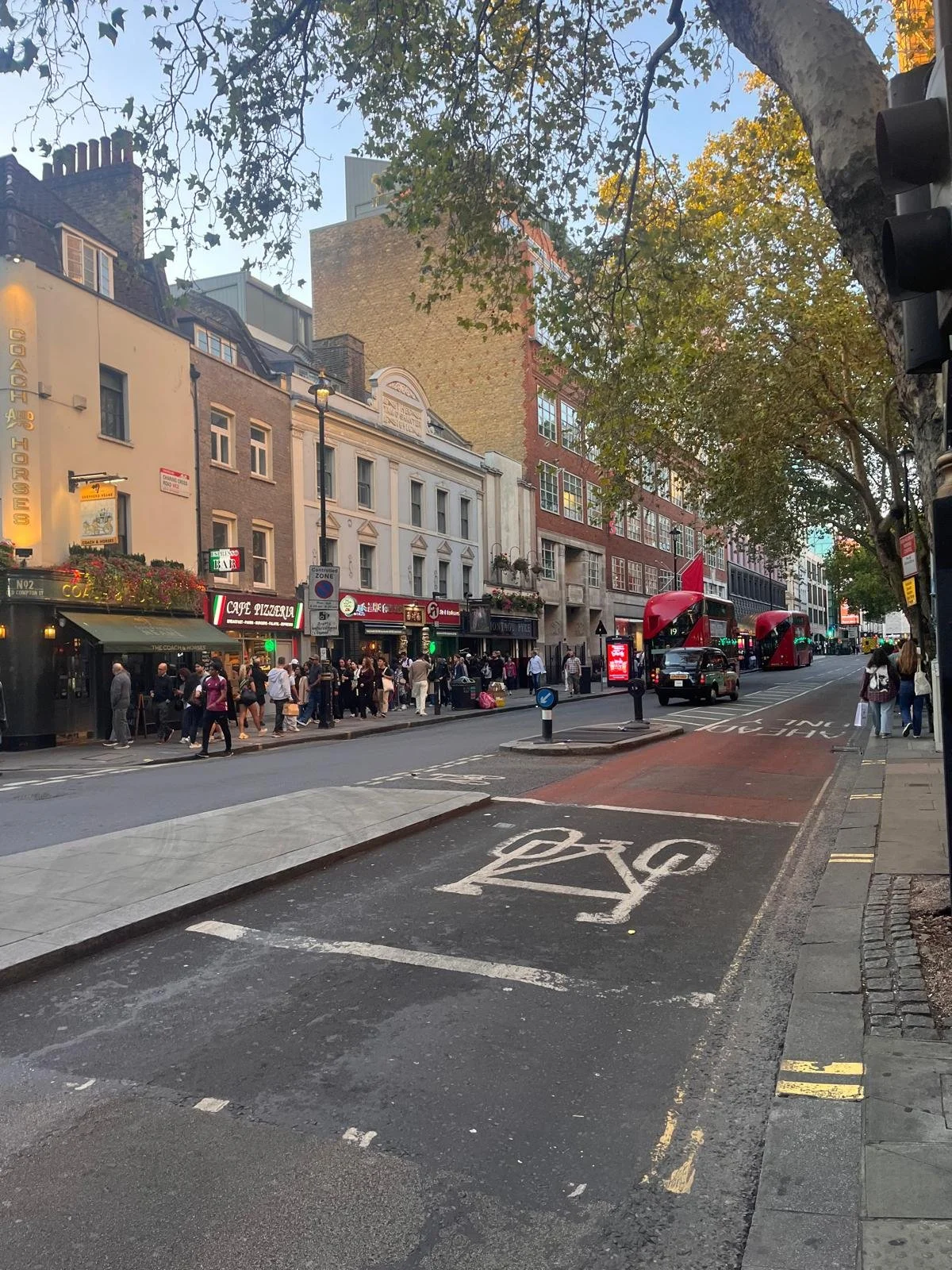
Across the UK, each town has its own identity, but pub culture remains the common thread. According to a 2023 Localis poll, 81% of Britons say pubs are important to their community identity.
I spoke to Veeru and Pratima Moholkar, owners of several pubs across the UK, including Bristol and Wales, to get the business perspective.
"You run venues in both Bristol and Wales. How do customer expectations and spending habits differ between a craft-heavy, urban city like Bristol and your Welsh locations?"
"It’s daylight and dark, honestly! Bristol’s crowd wants local IPAs, micro-batch sours, and curated pairings. They see a pub trip as an experience. In our Welsh venues, it’s about comfort and community. Regulars want their classic lager or ale poured well and a hearty meal. In Bristol, we focus on keeping up with trends, while in Wales, we focus on consistency.

"Traditional pint sales used to carry the business. How has your revenue split shifted toward food, specialised events, or low-alcohol trends over the past few years?"
"Ten years ago, drink sales paid the bills and food was an afterthought. Now, premium food, pub quizzes, live music, and private room hires make up nearly half our revenue. Low- and no-alcohol options are booming. Gen Z isn't drinking like previous generations, so if you don’t offer great alcohol-free options, you lose group bookings."
"With rising energy costs and inflation, how are you keeping margins healthy across your portfolio without pricing out your regulars?"
"It’s a constant balancing act. You can’t just raise pint prices and expect regulars to accept it. We negotiate with suppliers, reduce kitchen waste, and invest in energy-efficient equipment. We protect the house pint price for locals, while building margins into premium food, guest taps, and speciality spirits."

"London operators are facing astronomical rents alongside hybrid working patterns. Looking at your experience across Bristol and Wales, what is the single biggest operational lesson London pub owners need to adopt to stay profitable?"
"You have to make your pub a 7-day community destination, not just a Thursday-night treat. If Mondays and Fridays are quiet, turn your pub into a daytime co-working space or run neighbourhood events. Don’t rely solely on the office crowd, you need to give locals a reason to visit."
If managing pubs across Bristol and Wales needs agility, Central London is that challenge at maximum speed. The city’s sky-high rates and rents (£70 per square foot on average) add pressure. Hybrid work reshapes routine: Mondays and Fridays are quieter, with footfall down 30% since 2021. Despite the challenges facing UK pubs, their enduring sense of community and adaptability keeps them at the heart of British life. As the landscape shifts, pubs will continue to evolve and remain essential gathering places for generations to come.
