

Community, served.
By Jessica Ma (04/05/26) — London, UK
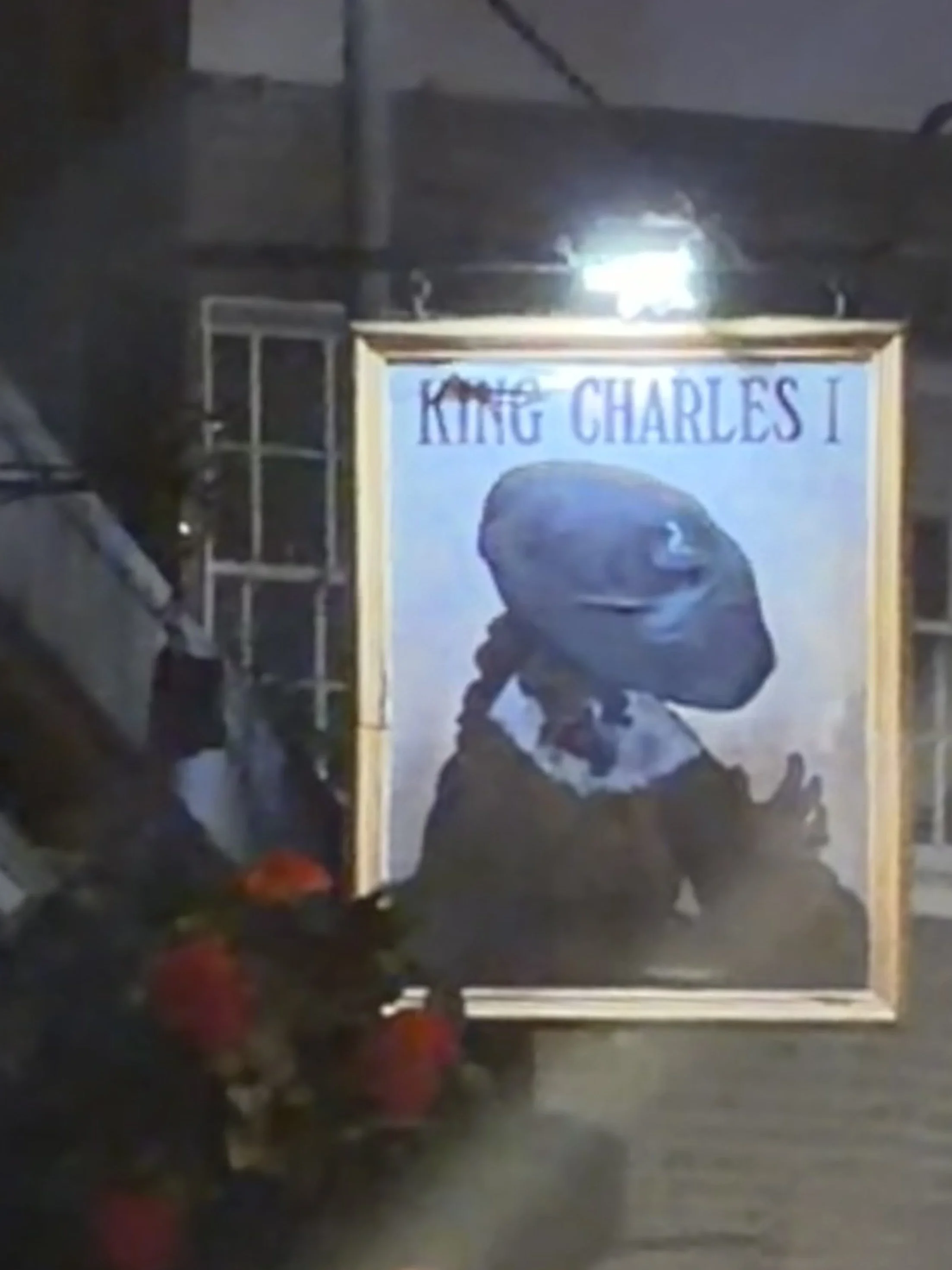
On a seemingly quiet Wednesday evening in north-central London, a glance behind the doors of what the press calls a “proper” and “community-owned” pub tells a different story. From the outside, the small, unassuming space could easily be mistaken for closed. Inside, however, it might just be one of the liveliest and most crowded rooms on a weekday in London.
Pubs, originally derived from the term public houses, can be traced all the way back to when the Romans first founded
Londinium. Public houses were originally established for travelers as a place to stay the night and drink with strangers. It is not a surprise, then, that Londoners have continued this tradition of drinking as a means of socialization.
However, what goes on behind the scenes of corporate-owned pubs prompted me to seek out a different form of business: community-owned pubs. During a class project covering pub culture in London, I realized that modern chain pubs owned by large corporations have deviated from the original purpose of being social spaces. The Wetherspoon experience is replicated across locations, with little connection to the surrounding neighborhood. What appears to be a local gathering space is, in reality, part of a national system driven less by community needs and more by efficiency and profit.
I turned my attention to the few community-owned pubs across the city, with community members as stakeholders, redefining ownership. To see what this looks like in practice, I visited the King Charles I, one of the few community-owned pubs in London.
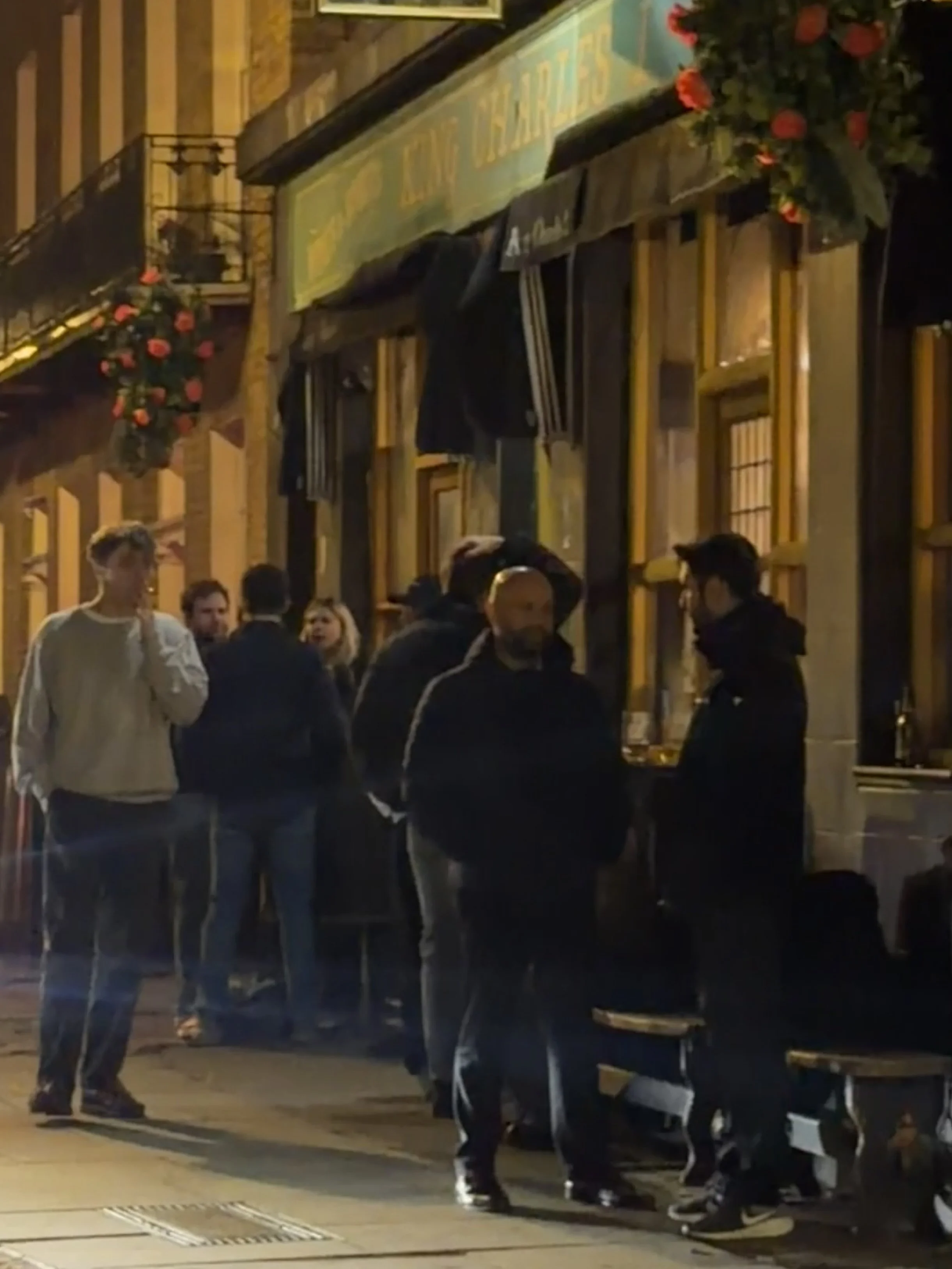
Upon first glance, the place was almost nestled inconspicuously in a quiet neighborhood on the border of Central London. However, as I smiled at the security guard and pushed open the door, I was hit with a wave of music and chatter. Inside, the pub was as crowded as it could be on a Wednesday night, with people standing shoulder to shoulder and drinks in hand.
After ordering our drinks, we stayed by the bar, as it was so crowded we couldn’t find anywhere to sit. As I sipped on my cider, I
made eye contact with one of the barmaids, Caz, and asked where she was from.
“A very rural little place in Australia,” she said. “Which is part of the reason why I came to London. There is just something about being in a big city that I love so much.”
Caz went on to explain that she lives about ten minutes away and also works at King’s House Café as a barista during the day. “It is owned by the same stakeholders—the community here—which is also how I was introduced to this job. Now I work in the café during the day and come here at night.”
Her story stood out to me because, despite arriving in London alone in search of new opportunities, she was able to find both work and a sense of belonging through the pub.
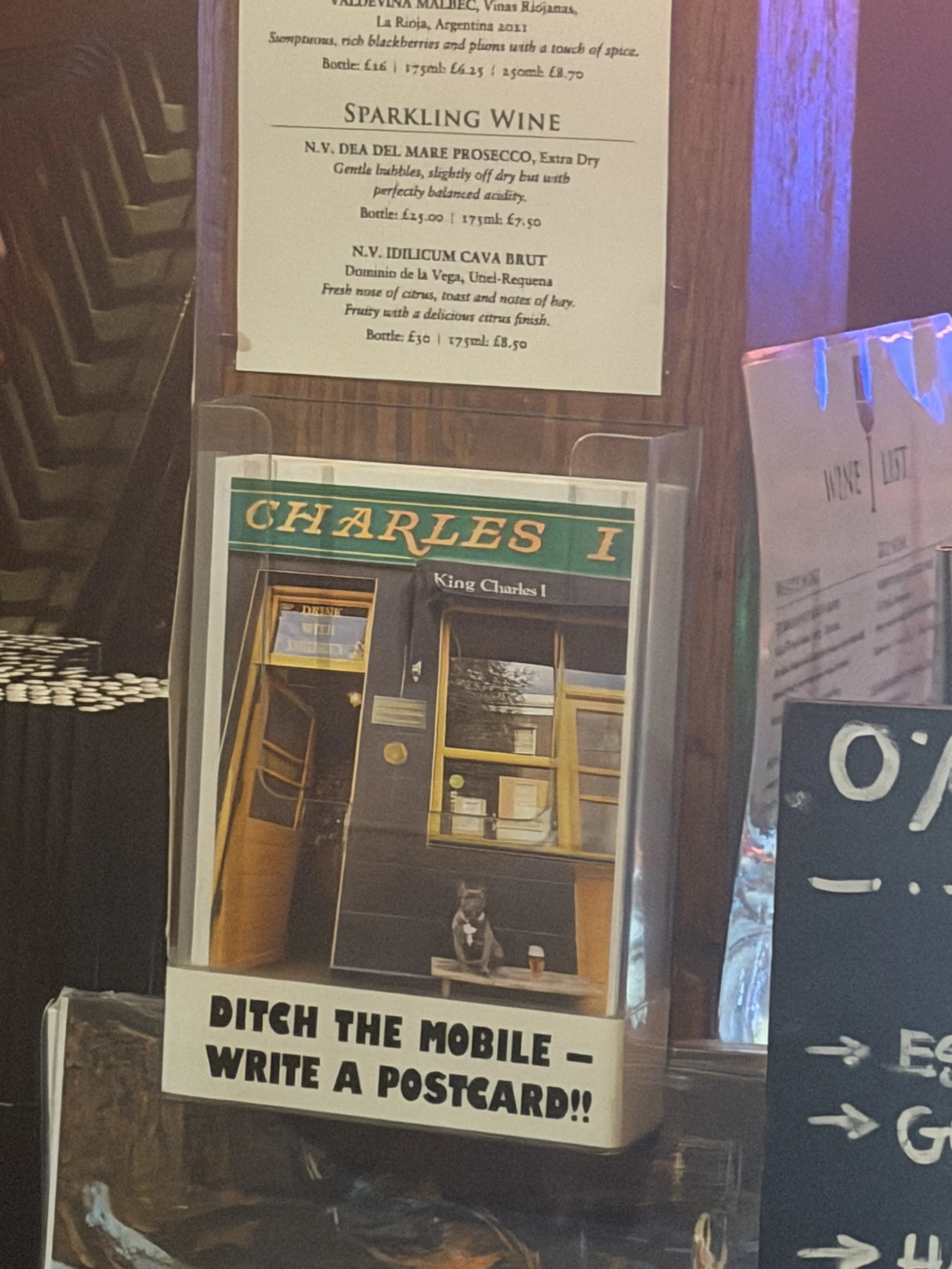
As I looked around, my eyes caught sight of a stack of postcards sitting by the bar, with a small sign that read, “ditch the mobile—write a postcard!!” In a place that was already so loud and crowded, it felt a little unexpected. But at the same time, it made sense. Instead of encouraging people to scroll or move quickly in and out, it felt like the pub was trying to get people to slow down, even just for a moment.
Before I left, I struck up a conversation with another barmaid, Alice. She is from the south of the UK, a little seaside town. Alice told me she was a graduate student at one of the universities in the city and works part-time at the pub. “It is a great way to meet new people and connect with regulars,” she had said.
Leaving the pub, it was clear that on the surface, King Charles I did not look so different from any other crowded London bar. But beneath that, the structure of ownership told a different story. While corporate pubs prioritize consistency and efficiency, this space was shaped by the people who sustain it. The sense of community was not always obvious, but it revealed itself in small, everyday interactions. In that sense, what is being served is not just drinks, but something more.
