

Can Eating More Actually Be Sustainable? How Beli Helps Reduce Food Waste
By Chanah Yin (03/29/26) — London, UK
“London produces nearly 2 million tonnes of food waste every year, with a cash value of over £2.5bn” (Cooper 2). Much of London’s food waste ends up in landfills, where it decomposes and releases methane — a greenhouse gas far more potent than carbon dioxide. This accelerates climate change and wastes water, energy, and labor used to produce food that was never eaten (Business Waste).
I doubted these statistics, thinking that it couldn’t possibly be “that bad”, right? However, with endless options and constant recommendations through TikTok and Instagram, honest opinions are mixed with paid promotions. I find myself ordering impulsively, often leaving food unfinished during my first weeks in London.
That changed when I started using Beli, simply for fun at first. More than a “restaurant finder,” Beli combines honest opinions from friends with my personal taste profile, which made me more confident in my choices. Instead of mindlessly chasing trends, each decision became more intentional. Fewer “misses” led to fewer half-eaten plates all through a small but meaningful act.
Sustainability entered my life almost without effort. Beli didn’t force me to make sacrifices; it simply helped me choose better. It’s often those small behavioral changes, when repeatedly daily, that make the biggest difference. In London, where food waste “produces 250,000 tonnes of unnecessary CO2 emissions every year” (Cooper 2), sustainability isn’t always policy or enforcement, but can start with where we decide to fulfill our cravings.

Many of the restaurants I ended up loving came directly from recommendations. Places like The Noodle Inn (which I discovered as the #1 rated noodle spot on Beli!), Khao So-i, and Charco Charco Yakiniku consistently appeared on my feed as other users with similar taste profiles rated them highly. It was a different experience discovering these restaurants, and it didn’t feel like I was following the crowd. Instead, I expected to like the food. It made trying new food less of a gamble, and I walk out almost always with an empty bowl and a full stomach.
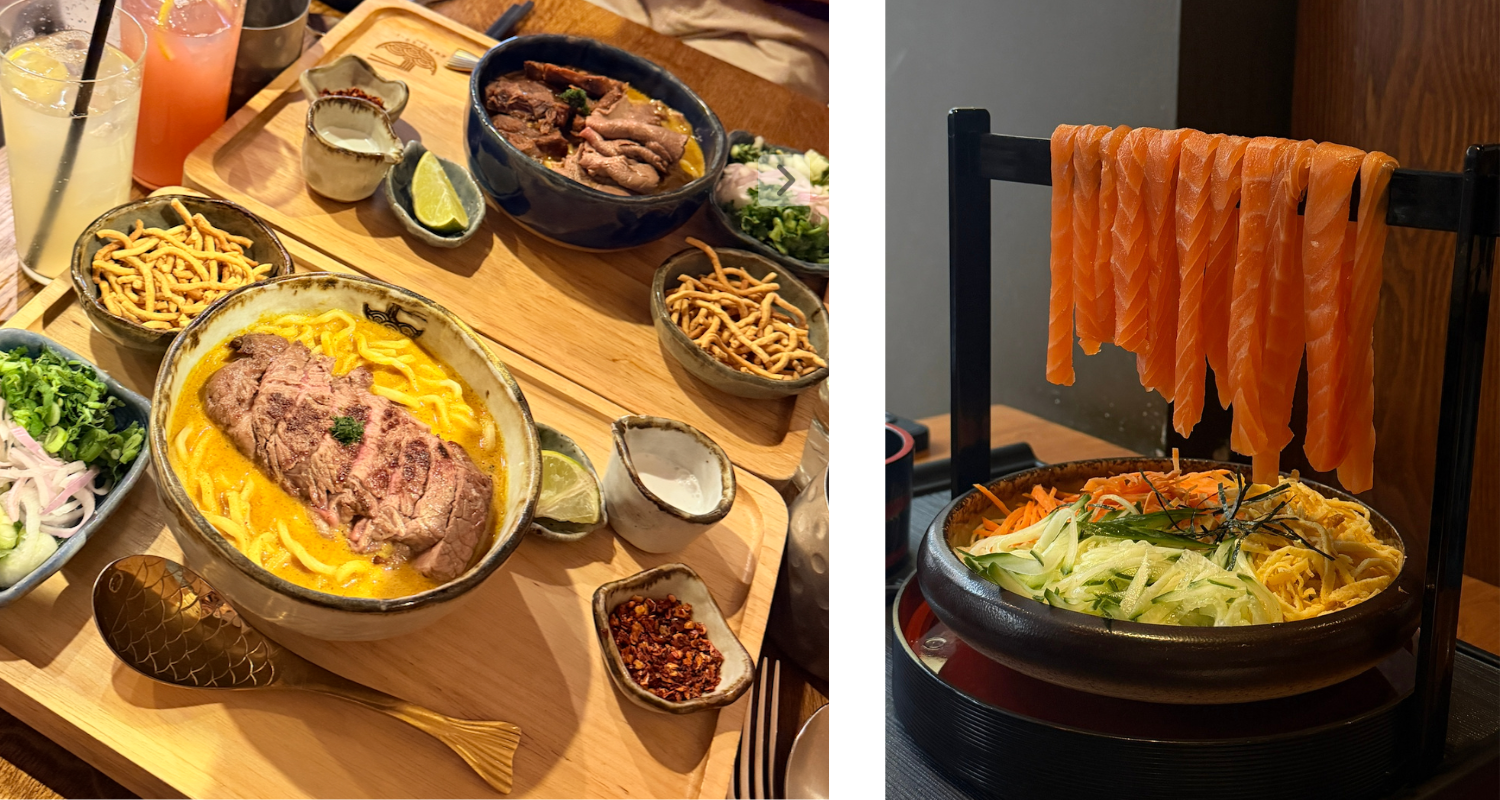
I was thinking about my experience, and I asked my friend Anika — who also began using Beli —if she had noticed the same patterns. As students new to London, there are endless options on every street and we both felt how easy it was to rely on whatever showed up online. She said that before she started using the app, she would often pick restaurants just because they “showed up on [her] Instagram feed.” But now, she always checks Beli first. This habit allowed her to gain more confidence in her eating habits. “I check beforehand to see others’ favorite dishes, which helps me order better, and I’m way more likely to finish everything.”
Small decisions can subtly shape our food waste. If we constantly gamble on random recommendations, we increase the chances that meals go unfinished. With more intentional choice, we naturally reduce that waste. While large policies and environmental initiatives are important to sustainability in cities like London, everyday habits are equally important. Choosing restaurants more thoughtfully may seem small, but repeated daily by all the individuals across a city, those choices add up.
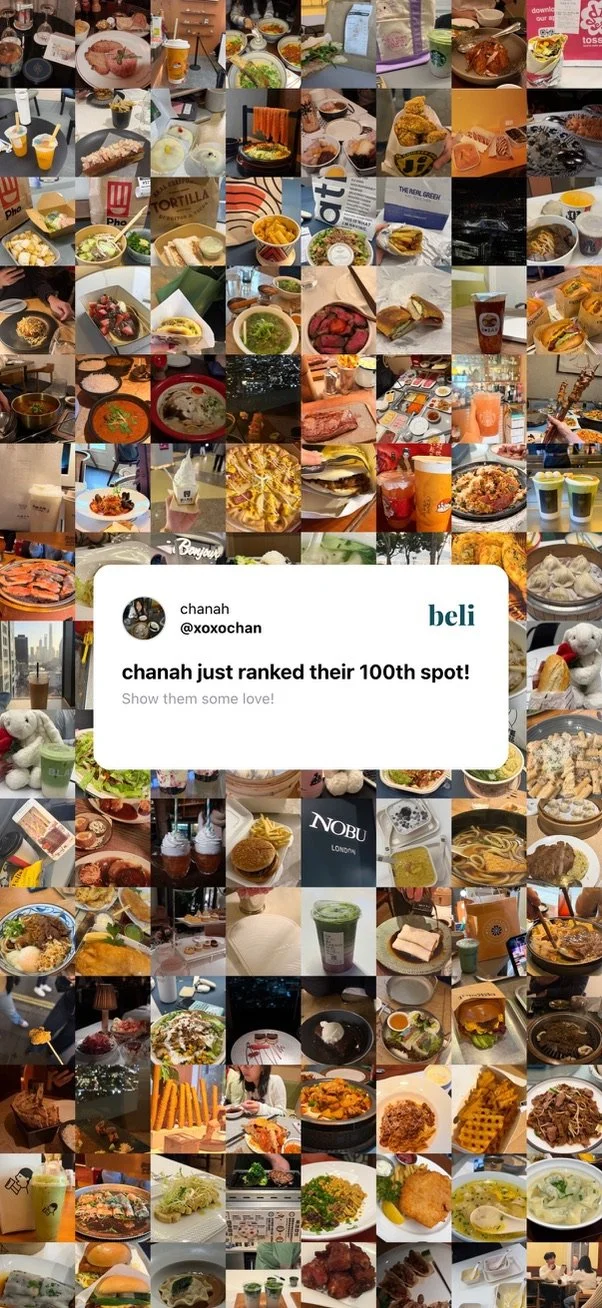
A Beginner’s Guide to Beli
Train the algorithm: begin by rating already visited restaurants. The more rated restaurants, the more Beli learns your tastes
Follow the right people: add friends or influencers whose food opinions you trust and align with yours
Ignore noise: before diving into Tik Tok and Instagram reels, check Beli
Choose your next eats: follow friend recommendations, Beli lists, and Beli’s calculated score. Be ready to finish your plate.
Disclaimer: This article is not sponsored by Beli, although if they’d like to start sponsoring me, I wouldn’t complain.
