

By Alessandra Rosenthal (10/24/26) — London, UK
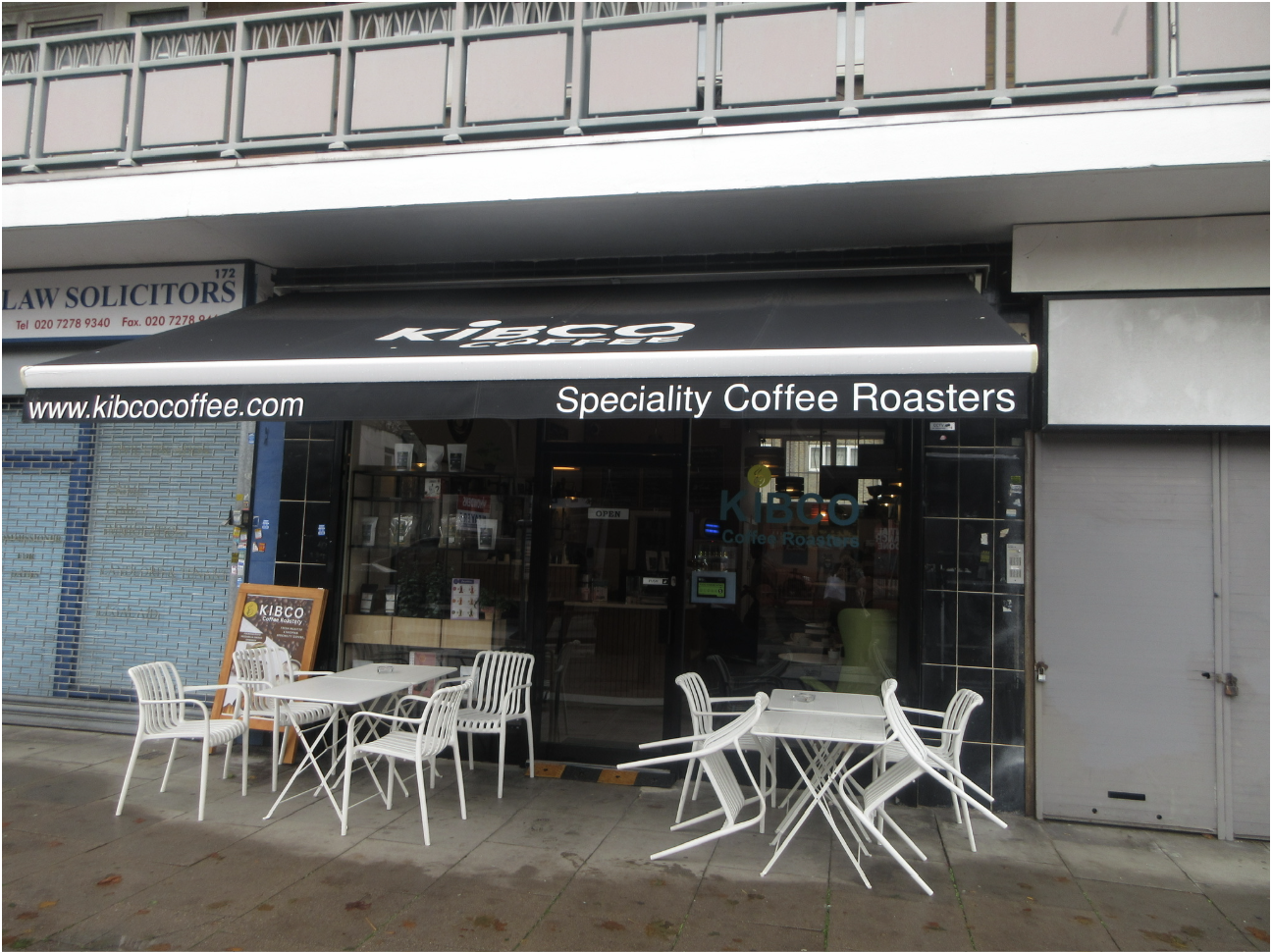
At 4 pm in the afternoon on a Wednesday, I collected a paper bag from the counter at Kibco Coffee, not knowing what would be in it.
The app Too Good To Go lets cafes, restaurants, and other food businesses give away unsold food at the end of the day in discounted surprise bags. When I found it through TikTok, it seemed like an obvious win for businesses and consumers alike: businesses cut their waste and consumers get a deal. It makes particular sense for coffee shops and bakeries, where almost no products are sellable the next morning. This is why when you open the app in central London, so much of what comes up is cafes.
The scale is massive, and still growing. According to the company’s own 2025 impact report, users saved just under 157 million meals last year, across 20 countries and more than 200,000 partner businesses. The company estimates every meal rescued avoids around 2.7kg of CO2 emissions, mostly because the food doesn’t have to be grown and transported twice.
Many of the options on the app are chains, like Starbucks or Greggs, but my curiosity led me to search for an unfamiliar name.
This is how I discovered Kibco Coffee, a family-owned coffee shop a short walk north of my NYU London dorm. There, I picked up a TGTG bag for the low price of £2.99.
When I collected my bag, I asked some questions. The owner told me that Kibco has been running surprise bags for a while now, and that he values having a way to cut waste while giving back to the community.
What struck me the most about our conversation was the owner’s interpretation of Too Good To Go. When TGTG markets itself to businesses, it highlights the financial benefits. In a recent impact report, a retail director at SPAR UK describes Too Good To Go as a smart operational tool that helps stores run efficiently and recover profit from surplus. What I heard across the counter, however, was not finance-related; the owner of Kibco’s focus was on waste and community, with no mention of margin at all.
Maybe both can be true at different scales. For a chain with hundreds of sites, surplus is an inventory problem with a number attached. For an independent shop, it might just be the difference between throwing away a croissant and giving it back to the community.
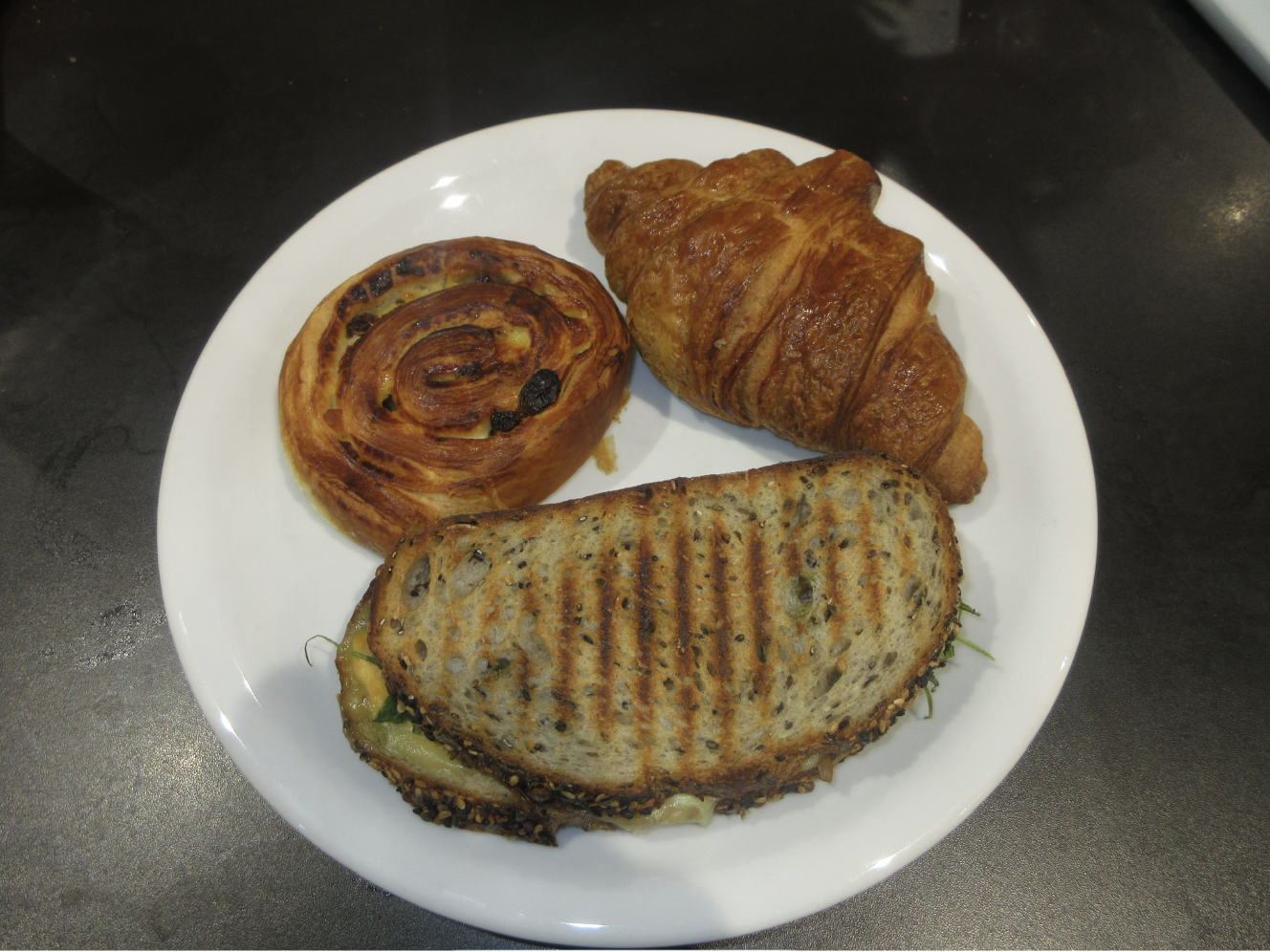
Speaking of which, in my bag I found a croissant, raisin pastry, and sourdough sandwich. I definitely got my money's worth!
For small shops like Kibco, a surprise bag is not a side business. It’s a decision made at the end of the day about what to do with food that still holds value but is running out of time. This value can lie in social connections with the community, just as much as monetary profit.
If you are looking to discover a new place, want to help reduce food waste, or are simply living on a college student budget, I definitely recommend checking out the app.
References
Kibco Coffee. (n.d.) Kibco Coffee. https://www.kibcocoffee.co.uk/
Too Good to Go. (n.d.). Too Good to Go. https://www.toogoodtogo.com/en-gb
Too Good To Go. (2025) 2025 impact report. https://www.toogoodtogo.com/en-us/impact-report
