

Le Cure’s Green Heart
By Abby Jong (04/12/26) — Florence, IT
Tucked inside a larger neighborhood park of the Le Cure neighborhood in Florence, a communal garden finds a way to bring together the neighborhood: Le Cure dell’Horto. As spring welcomes sunnier days and warm weather, the green space has been springing back alive: dog walkers in the morning, kids running around after school, older residents taking a stroll, and soaking in the sun.
I’m fortunate enough to be able to volunteer for the community garden. Since early February, three other NYU students and I have teamed up with the couple that runs this garden every Wednesday.
Meet the couple who actually keep it alive
The garden has been running for nearly a decade. Delio Ghinassi joined close to the beginning, and while volunteers like me come once a week, Delio and his wife, Giovanna, show up every single day. Not because anyone asked them to, but because the place needs it.
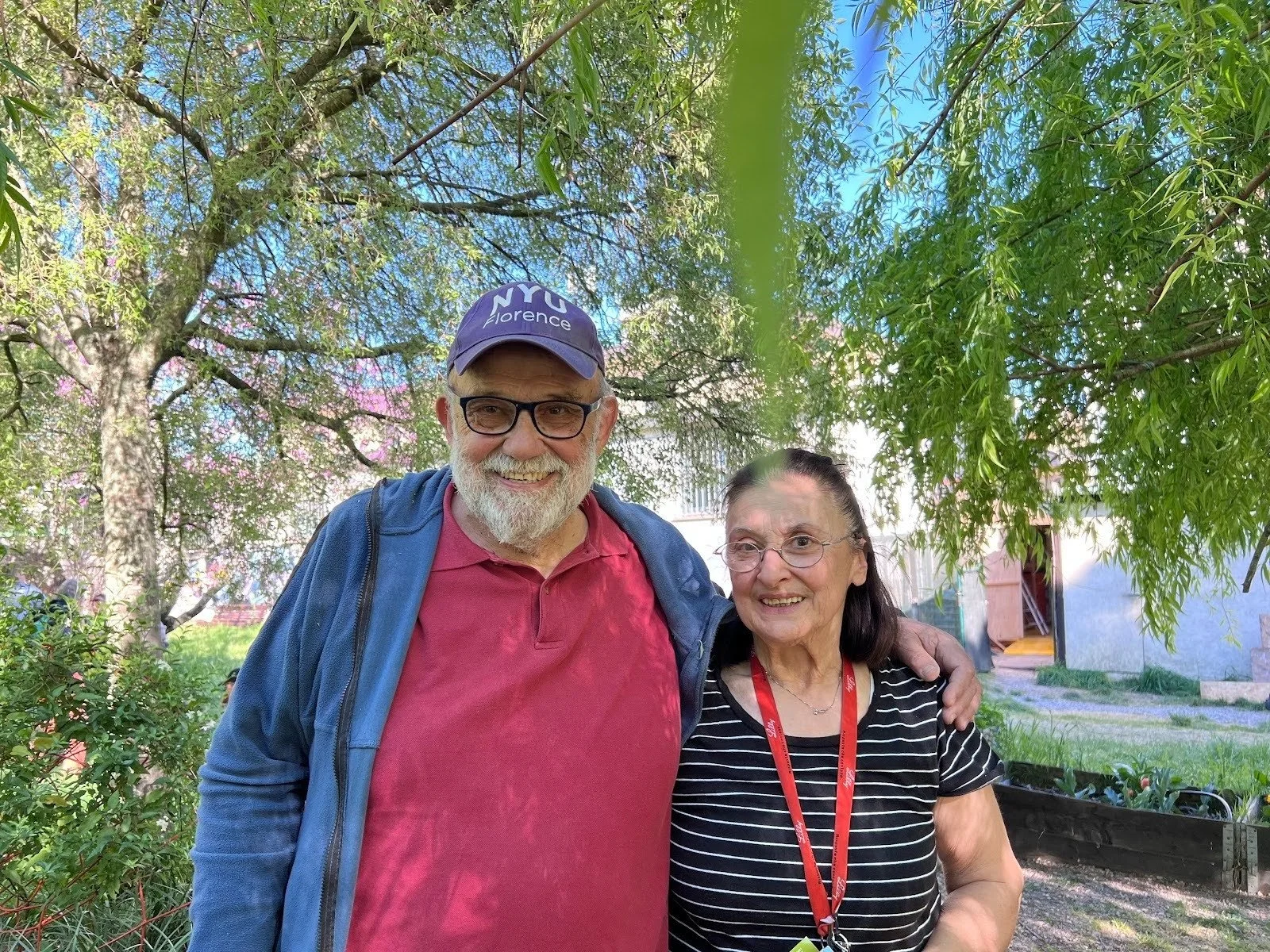
Delio and Giovanna
Because of the language barrier, I was only able to interview Delio. I first asked him how the garden has stayed and why it matters to people. He simply answered, “È bello,” - It's beautiful. Then he expressed small anecdotes on how neighbors can collect fresh vegetables and herbs, and the children can learn how the plants grow. These community ties seem to form naturally, and the park around it gives the whole process context. The garden isn't an isolated project; it's woven into a space people already use and love.
What sustainability looks like for Le Cure
Community gardens are widely recognized for strengthening social cohesion, supporting mental and physical well-being, and creating inclusive community spaces (Cukierman et al.). At the Le Cure garden, these outcomes are not incidental. Rather, they are central to its social sustainability mission. The garden operates as a nonprofit, sustained largely through volunteer labor and the personal financial contributions of Delio and Giovanna, reflecting a model rooted in collective care rather than profit. Its programming is intentionally designed to serve diverse members of the neighborhood, with a particular emphasis on youth engagement.
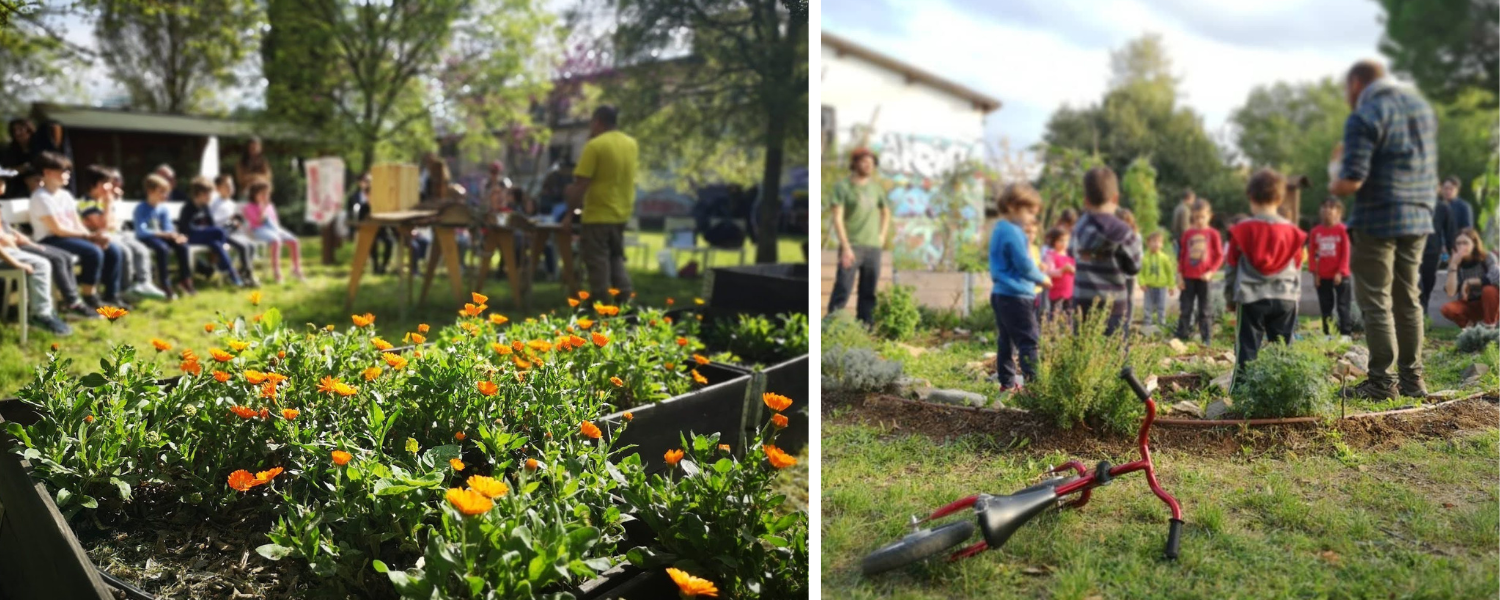
Twice a year, preschool and elementary school classes from nearby schools visit to learn about plant life cycles. During the growing season, children return weekly for hands-on participation, and they leave with an understanding that a classroom can’t quite deliver. Delio personally believes this is one of the most important aspects of this garden, “As life is busy and being in the city, it is hard [for the children] to see the cycle of nature in real time. Here, the children can.”
Moreover, not only do children leave with a fresh lesson, but also for the others who contribute to and receive from the garden. Delio says the garden teaches people to “Respecta la natural,” - to respect nature, and simply, “learn the cycle of nature; Nature is life.”
This emphasis on education, stewardship, and shared responsibility reinforces the garden’s broader social mission: to cultivate not only food, but a collective ethic of care, respect for nature, and community resilience.
Le Cure’s Challenges
A public garden, accessible to anyone, is bound to run into a few problems. Delio does not romanticize the ideal aspects of the garden. When asked what the hardest part of maintaining the garden is, he didn’t hesitate: “Not all people have respect for common things. Dogs become curious about the plants, young kids rip seedlings out, and a number of visitors have treated the shared space carelessly.”
Moreover, the property is not theirs, and funding is always tight. But Delio and Giovanna’s generosity with their time, money, and energy has been able to maintain it. But of course, the couple is not always able to do everything they want to with the garden.
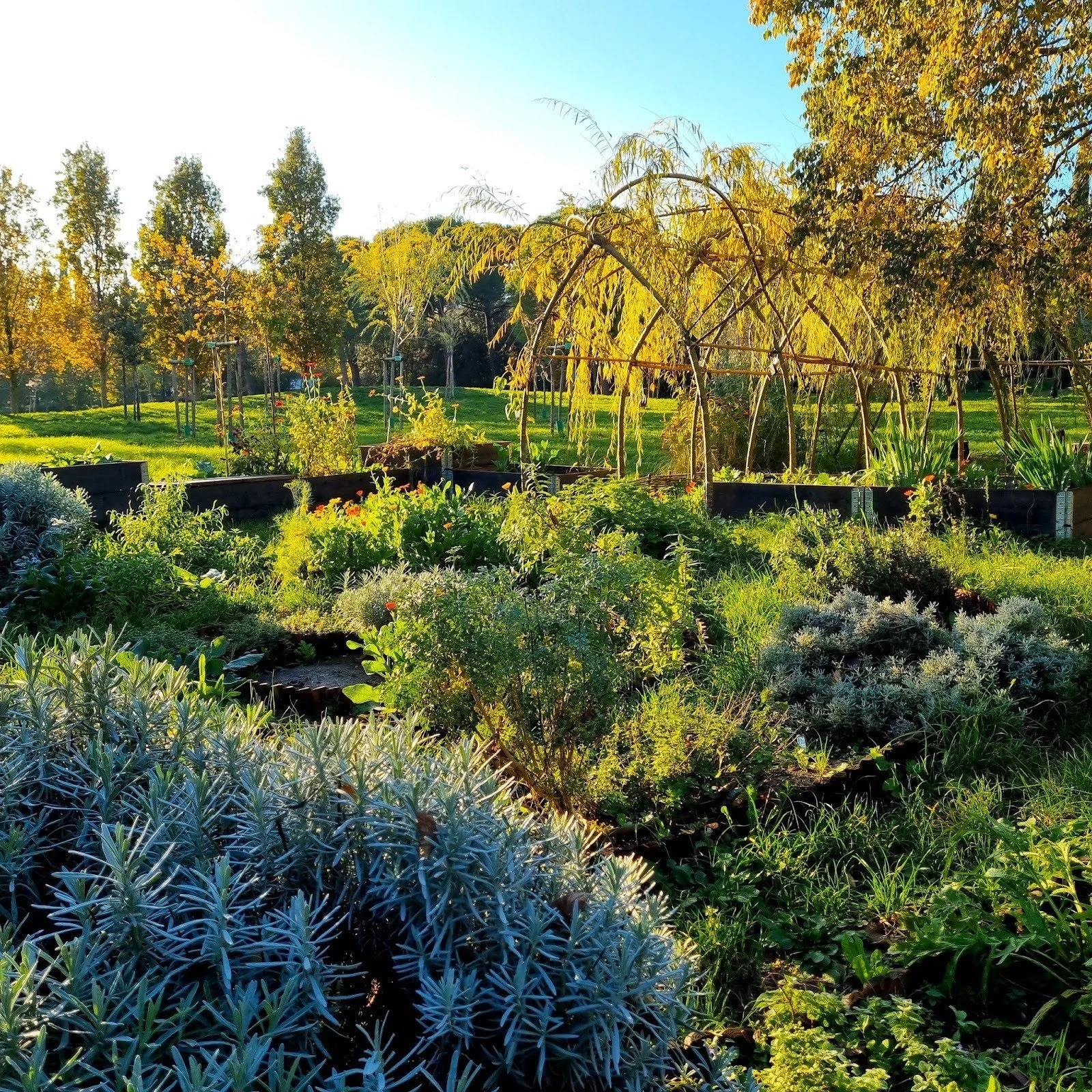
When I asked what he'd do with more resources, his answer was: "Prune the trees properly. Not expand, not launch something new, but simply do the existing work better. The owners of the land are also part of the reason they are limited in how they would like to move forward with the garden. He simply expressed that sometimes, sustainability isn't about doing more, it's about doing what's already there.
On continuing the good work
Despite the seemingly strong challenges, Le Cure dell Orto has an ecosystem of stakeholders who’ve chosen to invest their time. Delio expressed that he makes good “public relations” with the other communities that run in the park. What does this look like? Simply, these groups have each other's backs when protecting each other’s shared spaces. When people feel genuine ownership over something, they defend it.
Moreover, NYU’s partnership with them in sending student volunteers brings a fresh energy and more helping hands each semester. Not only are there student volunteers, but other residents and friends of Delio and Giovanna help throughout the week as well.
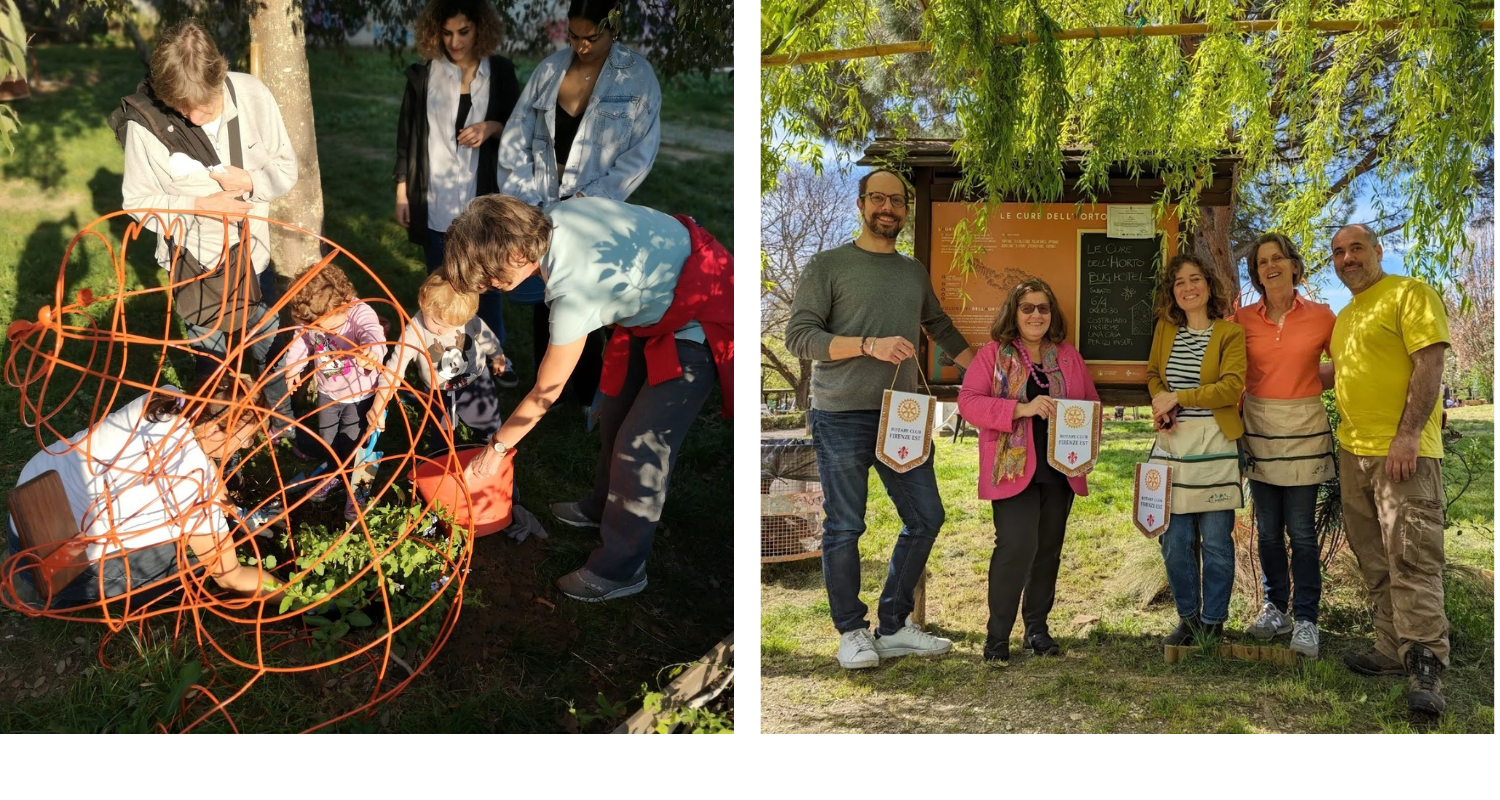
Long-term sustainability, as researchers increasingly argue, depends less on resources than on rootedness (Egerer et al.) – a kind of community investment that takes years to build and can’t spawn overnight. But Delio revealed what truly has made him come back: his wife. Giovanna loves maintaining the small garden, “If my wife is happy, I am happy.” What I actually learned is that the most sustainable systems aren't built on policy or funding, but the people who simply can't imagine stopping.
References
Cukierman, G. O., Coenraads, D., Iwarsson, E., Wu, T., & Shepon, A. (2025). Nurturing resilient cities: a systematic literature review of community gardens’ contribution to sustainability, 1992–2021. Npj Urban Sustainability, 5(1). https://doi.org/10.1038/s42949-025-00272-2
Egerer, M., Karlebowski, S., Conitz, F., Neumann, A. E., Schmack, J. M., & Sturm, U. (2024). In defence of urban community gardens. People and Nature, 6(2), 367–376. https://doi.org/10.1002/pan3.10612
